

The ambition to cultivate food without the reliance on synthetic pesticides represents one of the most significant challenges and opportunities facing modern agriculture. As concerns about environmental degradation, human health and biodiversity loss intensify, governments and agricultural communities across the globe are seeking pathways towards more sustainable farming systems. In this context, the collaborative effort to align farmers, scientists and policymakers under a unified vision offers a promising model for transformation. At the heart of this endeavour lies a commitment to reducing chemical inputs whilst maintaining the productivity and resilience that underpin food security.
The vision behind plan ecophyto 2030: a collaborative framework for agricultural transformation
The initiative known as Plan Ecophyto 2030 embodies a comprehensive strategy designed to foster agricultural practices that minimise or altogether eliminate reliance on synthetic pesticides. This framework is not merely a regulatory mandate imposed from above, but rather a partnership that brings together diverse stakeholders who each hold vital knowledge and influence. By engaging farmers, scientific researchers and policymakers in a shared dialogue, the plan seeks to create an environment where innovation flourishes and practical solutions emerge from real-world experience and rigorous analysis.
Bridging the Gap Between Agricultural Stakeholders and Environmental Objectives
One of the fundamental strengths of this collaborative approach is its capacity to bridge longstanding divides between those who work the land and those who formulate policy or conduct research. Farmers possess intimate knowledge of soil conditions, seasonal variability and the practical realities of crop management, whilst scientists contribute expertise in ecology, agronomy and toxicology. Policymakers, meanwhile, hold the levers to create enabling environments through regulation, funding and infrastructure support. By fostering genuine communication and mutual respect among these groups, Plan Ecophyto 2030 aims to ensure that environmental objectives are not abstract targets but achievable milestones grounded in practical feasibility.
This partnership model acknowledges that sustainable farming practices cannot be imposed uniformly across diverse agricultural landscapes. Instead, the plan encourages tailored solutions that reflect regional variations in climate, soil type and crop choice. Through workshops, consultations and pilot projects, stakeholders collaboratively identify barriers to change and co-design interventions that are both environmentally sound and economically viable. Such inclusive processes help to build trust and shared ownership of outcomes, which are essential for long-term success.
Establishing Measurable Targets for Chemical Reduction in Farming Systems
Central to the vision of Plan Ecophyto 2030 is the establishment of clear, measurable targets for reducing chemical usage in agriculture. These goals provide a roadmap for progress and enable stakeholders to track advancements over time. Rather than vague aspirations, the plan sets out specific benchmarks that guide investment decisions, research priorities and regulatory reforms. By defining what success looks like in quantifiable terms, the initiative creates accountability and transparency, ensuring that efforts are focused and outcomes are verifiable.
The targets reflect a nuanced understanding of agricultural systems, recognising that some sectors and regions may face greater challenges in transitioning away from conventional pesticides. Consequently, the plan incorporates flexibility, allowing for phased reductions that align with the development and adoption of viable alternatives. This pragmatic stance is crucial for maintaining farmer livelihoods and food production during the transition period. It also underscores the importance of continuous monitoring and adaptive management, so that strategies can be refined in response to emerging evidence and changing circumstances.
Implementing sustainable farming practices: practical pathways to pesticide-free production
Achieving the ambitious goals set forth requires not only vision and targets but also concrete actions and support mechanisms that enable farmers to transform their practices. The transition to pesticide-free agriculture demands the adoption of innovative techniques, the availability of effective biological alternatives and the provision of robust training and financial assistance. These elements together form the practical pathways through which the principles of Plan Ecophyto 2030 are translated into reality on farms across the country.
Innovative biological alternatives and integrated pest management strategies
A cornerstone of the shift towards sustainable farming is the development and deployment of biological alternatives to synthetic pesticides. These include natural predators, microbial agents and plant-based compounds that can control pests and diseases without the adverse effects associated with chemical inputs. Advances in biotechnology and ecology have expanded the toolkit available to farmers, offering solutions that are both effective and environmentally benign. Integrated pest management strategies, which combine biological controls with cultural practices such as crop rotation, intercropping and habitat manipulation, provide a holistic approach to managing agricultural challenges.
The success of these alternatives hinges on robust research and development efforts, often spearheaded by scientific institutions working in close collaboration with agricultural communities. Field trials and demonstration farms play a vital role in validating new methods and building confidence among farmers who may be sceptical about departing from conventional approaches. By showcasing tangible results and sharing knowledge through peer networks, the plan fosters an environment where innovation is embraced and best practices are widely disseminated.
Supporting farmers through training programmes and financial incentives
Transitioning to pesticide-free agriculture is not without its challenges, particularly for farmers who may lack the technical knowledge or financial resources to adopt new practices. Recognising this, Plan Ecophyto 2030 places significant emphasis on training programmes that equip farmers with the skills and understanding needed to implement sustainable techniques. Workshops, on-farm coaching and online resources provide accessible learning opportunities that cater to diverse levels of experience and literacy.
Financial incentives further ease the burden of transition, offsetting the costs associated with purchasing new equipment, investing in biological inputs or enduring temporary yield fluctuations whilst systems stabilise. Grants, subsidies and low-interest loans are among the instruments deployed to support farmers during this critical period. Additionally, certification schemes and market access initiatives reward those who adopt sustainable practices, creating economic opportunities that reinforce environmental stewardship. By addressing both knowledge gaps and financial constraints, the plan ensures that the path to pesticide-free agriculture is open to all, rather than the privilege of a few.
The Road Ahead: Challenges and Opportunities in Achieving Pesticide-Free Agriculture by 2030
Whilst the vision and mechanisms of Plan Ecophyto 2030 are well articulated, the journey towards pesticide-free agriculture is fraught with challenges that must be navigated with care and determination. Balancing competing demands, ensuring equitable outcomes and maintaining momentum in the face of setbacks are critical tasks that will define the success of this transformative initiative. At the same time, the opportunities for innovation, environmental restoration and improved public health are immense, offering compelling reasons to persevere.
Balancing productivity demands with environmental stewardship goals
One of the most persistent tensions in the pursuit of sustainable agriculture is the need to maintain or even increase productivity whilst reducing reliance on chemical inputs. Farmers face pressure to produce sufficient quantities of food to meet growing demand, often within tight economic margins. The prospect of lower yields during the transition period can be a significant deterrent, particularly for those operating on marginal lands or in competitive markets. Plan Ecophyto 2030 addresses this concern by promoting practices that enhance soil health, biodiversity and ecosystem resilience, which in turn can support stable or improved productivity over the long term.
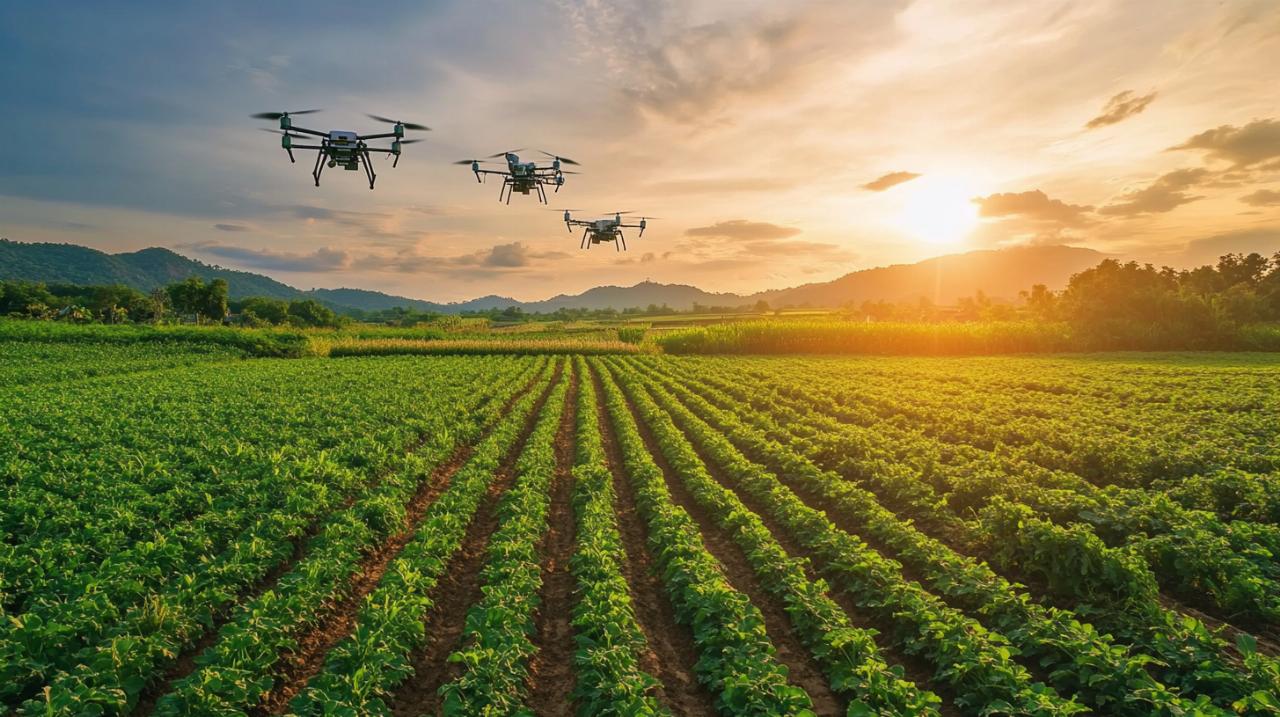
Research into crop varieties that are naturally resistant to pests and diseases, alongside advances in precision agriculture and digital monitoring, offers pathways to reconcile productivity with sustainability. By leveraging technology and ecological knowledge, farmers can optimise inputs, reduce waste and achieve better outcomes with fewer external interventions. However, realising these benefits requires sustained investment in research, infrastructure and education, as well as a willingness to challenge entrenched assumptions about what constitutes best practice in farming.
Monitoring progress and adapting strategies through evidence-based policymaking
The dynamic nature of agriculture and the complexity of environmental systems necessitate ongoing monitoring and evaluation to ensure that Plan Ecophyto 2030 remains on track. Collecting data on pesticide usage, crop performance, soil health and biodiversity provides the evidence base needed to assess the effectiveness of interventions and identify areas requiring adjustment. Transparent reporting and independent evaluation mechanisms foster accountability and build public confidence in the process.
Evidence-based policymaking also involves being responsive to new scientific insights, technological developments and feedback from farmers and other stakeholders. The plan incorporates mechanisms for regular review and revision, ensuring that strategies evolve in line with changing circumstances and emerging challenges. This adaptive approach is essential for navigating uncertainties and capitalising on opportunities as they arise. By remaining flexible and grounded in rigorous analysis, the initiative can maintain momentum and deliver on its promise of a healthier, more sustainable agricultural future.