
In an era where logistics and operational efficiency define competitive success, understanding how to harness the power of advanced fleet management platform dashboards has become paramount for businesses across the United Kingdom. These sophisticated digital interfaces serve as the nerve centre of modern fleet operations, transforming vast streams of information into clear, actionable intelligence that drives better decisions daily. Whether managing a handful of commercial vehicles or coordinating hundreds of assets across multiple regions, the right dashboard technology can fundamentally reshape how fleet managers approach their responsibilities, delivering tangible improvements in safety, cost control, and overall operational performance.
Understanding fleet management platform dashboards and their core capabilities
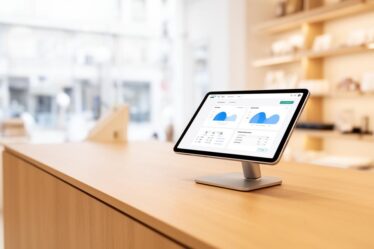
At its foundation, a fleet management platform dashboard acts as a centralised command centre that aggregates critical data from various sources including telematics devices, GPS systems, and maintenance records. This consolidation of information eliminates the fragmented approach that once characterised fleet oversight, where managers had to consult multiple systems and spreadsheets to gain a complete picture of their operations. The modern dashboard presents this wealth of data through intuitive visual representations that make complex information immediately comprehensible, allowing decision-makers to identify patterns, spot anomalies, and respond to emerging situations with confidence and speed.
What Makes a Fleet Management Dashboard User-Friendly and Effective
The most successful dashboard implementations share several characteristics that distinguish them from merely functional interfaces. Customisable views stand out as particularly valuable, enabling fleet managers to configure their workspace according to specific operational priorities and personal preferences. Rather than forcing users to navigate through irrelevant information, effective dashboards allow managers to highlight the metrics that matter most to their unique circumstances, whether that involves focusing on fuel efficiency for one user or prioritising driver safety indicators for another. This adaptability extends to scalability as well, ensuring that systems can grow alongside businesses without requiring complete replacements or extensive reconfiguration.
Integration capabilities represent another cornerstone of dashboard effectiveness, particularly for organisations that already employ various software solutions for accounting, human resources, or customer relationship management. The ability to connect fleet management platforms with these existing systems creates a seamless flow of information across the entire business, eliminating duplicate data entry and ensuring consistency throughout all reporting functions. User-friendliness manifests not only in visual design but also in the learning curve required for new users, with the best systems offering intuitive navigation that reduces training time and encourages widespread adoption across teams. For operations specific to the United Kingdom, features addressing local regulatory requirements and compliance standards prove essential, helping managers stay abreast of digital tachograph regulations, emissions standards, and other jurisdiction-specific obligations without constant manual oversight.
Real-time data visualisation: transforming raw information into actionable insights
The transition from historical reporting to real-time data visualisation marks a significant evolution in fleet management capability. Where managers once reviewed yesterday's performance and hoped for the best, contemporary dashboards deliver current information that enables proactive rather than reactive management approaches. Live vehicle tracking displays exact locations and movement status across entire fleets, allowing dispatchers to respond immediately to customer enquiries, reroute vehicles around traffic incidents, or verify service completion without lengthy phone conversations. Route progress monitoring extends this visibility further, showing not just where vehicles are but how closely they adhere to planned schedules and whether interventions might be necessary to meet delivery commitments.
Alerts and notifications function as the dashboard's early warning system, automatically flagging situations that require attention before they escalate into serious problems. These might include speeding incidents that pose safety risks and insurance implications, idling that wastes fuel unnecessarily, maintenance schedules approaching due dates, or unexpected deviations from assigned routes that could indicate either genuine emergencies or unauthorised vehicle use. Driver performance metrics complement these alerts by providing ongoing assessments of behaviour patterns, identifying both exemplary conduct worthy of recognition and concerning habits that merit coaching interventions. Delivery status information rounds out the real-time picture, offering both operational teams and customer service representatives immediate visibility into shipment progress, estimated arrival times, and any complications affecting service delivery.
Key features that drive operational excellence through dashboard technology
Modern fleet management dashboards distinguish themselves through comprehensive feature sets that address the multifaceted challenges facing today's transport operations. These capabilities extend far beyond simple vehicle location tracking, encompassing sophisticated analytics that support strategic planning alongside tactical execution. The global fleet management market, valued at USD 37.71 billion in 2025 with projections reaching USD 70.26 billion by 2030, reflects the growing recognition that these platforms deliver measurable value across organisations of all sizes. This expansion stems from the proven ability of dashboard technology to address pressing operational concerns whilst simultaneously opening new possibilities for efficiency gains and competitive differentiation.
GPS Tracking and Vehicle Location Monitoring for Enhanced Fleet Visibility
GPS tracking forms the foundational layer upon which most dashboard functionality builds, providing the geographical awareness that enables countless other features and insights. Contemporary tracking systems update positions frequently, often multiple times per minute, creating a near-instantaneous view of fleet disposition across service territories. This granular location data supports dynamic route adjustment in response to traffic conditions, customer requests, or unexpected delays, helping managers optimize daily operations rather than simply following predetermined plans regardless of changing circumstances. The accumulated historical tracking information proves equally valuable, revealing patterns in journey times, route efficiency, and geographical utilization that inform longer-term strategic decisions about territory assignments, depot locations, and capacity planning.
Asset tracking capabilities extend GPS functionality beyond traditional vehicles to encompass trailers, containers, equipment, and other valuable resources that may not contain their own power sources or constant connectivity. Specialized trackers designed for these applications help managers maintain awareness of asset locations, prevent theft or misplacement, and optimize utilization rates by ensuring equipment remains available where and when needed rather than sitting idle in forgotten corners of facilities or customer sites. For businesses managing mixed fleets with various vehicle types and supplementary equipment, this comprehensive visibility eliminates the blind spots that once characterized operations, replacing uncertainty with confidence about resource availability and deployment.

Fuel consumption reporting and performance metrics analysis
Given that fuel typically represents one of the largest variable costs in fleet operations, detailed consumption reporting delivers direct financial impact through improved visibility and accountability. Dashboard interfaces display both aggregate fuel expenditure and vehicle-specific consumption patterns, enabling managers to identify outliers that may indicate mechanical issues, poor driving habits, or assignment mismatches where vehicles face unsuitable duty cycles. The most sophisticated platforms correlate fuel usage with driving behaviors such as harsh acceleration, excessive idling, and aggressive braking, creating clear connections between operator technique and cost implications that support targeted coaching initiatives. These insights become particularly valuable given volatile oil prices and increasingly stringent environmental regulations affecting UK operations, where even modest efficiency improvements translate to substantial annual savings whilst also reducing carbon footprints.
Performance metrics analysis extends beyond fuel consumption to encompass comprehensive evaluations of fleet health and productivity. Maintenance monitoring tracks service schedules, vehicle conditions, and repair histories, helping managers balance preventive maintenance investments against breakdown risks whilst ensuring regulatory compliance with UK vehicle testing requirements. Driver performance dashboards compile multiple behavioral indicators into coherent profiles that recognize excellent operators and identify those requiring additional training or support, addressing the significant driver shortage affecting the UK transport sector by improving retention through fairer, data-driven assessment and recognition. Key performance indicator monitoring consolidates operational metrics into executive summaries that support strategic decision-making at company headquarters, translating detailed operational data into business intelligence that informs investment decisions, service expansion plans, and competitive positioning strategies.
Maximising Business Value: Security, Efficiency, and Return on Investment
The ultimate measure of any fleet management dashboard lies not in its technical sophistication but in the tangible business outcomes it delivers. Organisations implementing these platforms report substantial benefits across multiple dimensions, from direct cost reductions to qualitative improvements in customer satisfaction and employee engagement. Research indicates that real-time visibility alone can reduce fuel costs by twenty to thirty percent through route optimization and behavior modification, whilst maintenance dashboards extend vehicle uptime by identifying potential failures before they occur. These operational improvements combine with enhanced compliance management, which helps avoid fines and reputational damage associated with regulatory violations, and improved safety records that reduce insurance premiums whilst protecting the most valuable asset any fleet possesses: its people.
Mobile application integration for on-the-go fleet management access
Recognising that fleet management responsibilities extend well beyond office walls, leading platforms now offer comprehensive mobile applications that bring dashboard functionality to smartphones and tablets. These applications provide drivers with turn-by-turn navigation optimized for their specific vehicle characteristics and current traffic conditions, eliminating reliance on consumer mapping services that may suggest routes unsuitable for commercial vehicles. Proof of delivery capabilities transform mobile devices into digital signature capture tools, streamlining administrative processes whilst creating immediately accessible records that resolve disputes and accelerate invoicing. Drivers can also use mobile access to review their own performance metrics, schedule details, and communication from dispatchers, fostering greater autonomy and engagement rather than perpetuating a command-and-control dynamic that modern workforces increasingly reject.
For managers and supervisors, mobile dashboard access means that oversight continues even when away from desks, whether traveling between depots, attending off-site meetings, or simply preferring flexible working arrangements. Critical alerts reach decision-makers regardless of location, ensuring that urgent situations receive prompt attention rather than languishing until someone returns to the office. This mobility also supports more collaborative management approaches, where supervisors can review situations with drivers in person whilst accessing the same data visible on headquarters dashboards, creating shared understanding and reducing the perception of remote monitoring as adversarial surveillance. Video telematics integration through mobile platforms provides additional context for incidents, allowing managers to review footage immediately rather than waiting for vehicles to return to base, which accelerates both exoneration in false claims and corrective action when genuine issues arise.
Decision-making support through comprehensive reporting at company level
Beyond daily operational management, fleet dashboards serve strategic decision-making through robust reporting capabilities that transform operational data into business intelligence. Customizable reports enable managers to focus analyses on specific questions, whether evaluating the cost-effectiveness of different vehicle types, assessing the impact of training programs on safety metrics, or forecasting maintenance expenditure for budgeting purposes. Automated email distribution ensures that relevant stakeholders receive regular updates in preferred formats, whether PDF summaries for executive review or detailed Excel spreadsheets for financial analysis, without requiring manual intervention from already-busy fleet managers. This automation extends to exception reporting as well, where systems can alert leadership to significant deviations from expected performance without overwhelming them with routine operational details.
Analytics dashboards synthesize historical trends and patterns, revealing insights that inform strategic investments and operational adjustments. Managers might discover that certain routes consistently experience delays during particular periods, suggesting scheduling changes or resource reallocation. Vehicle utilization analysis may reveal assets that remain underemployed whilst others face excessive demands, indicating opportunities for rebalancing assignments or adjusting fleet composition. Environmental regulation compliance reporting becomes increasingly important as UK emissions standards tighten, with dashboards helping managers demonstrate adherence whilst also identifying opportunities to reduce environmental impact through electrification, route optimization, or other initiatives. The integration of artificial intelligence analytics assistants represents the cutting edge of decision support, offering conversational interfaces that allow managers to ask complex questions in natural language and receive sophisticated analyses without requiring data science expertise. These advanced capabilities transform fleet management platforms from operational tools into strategic assets that shape how businesses compete, grow, and adapt to an ever-changing transport landscape.