
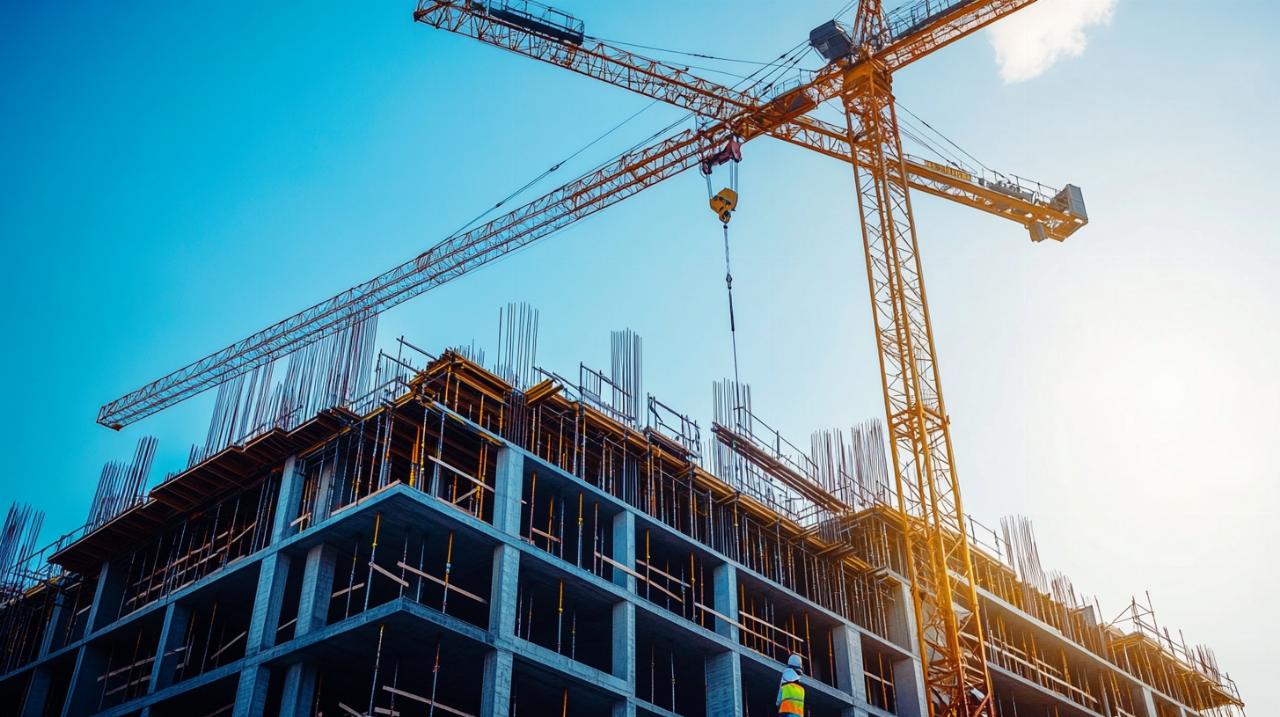
The construction of industrial buildings in the United Kingdom requires a comprehensive understanding of environmental compliance to meet both legal obligations and sustainability targets. As the nation advances towards its ambitious net-zero carbon emissions goal by 2050, the construction sector must navigate a complex landscape of regulations, standards, and best practices. Industrial facilities, which contribute significantly to the built environment's carbon footprint, are increasingly subject to rigorous environmental scrutiny. This article explores the essential standards and regulations that developers, contractors, and building control professionals must observe to ensure their industrial construction projects achieve environmental compliance whilst delivering efficient, sustainable facilities.
Understanding UK Environmental Legislation and Building Regulations for Industrial Construction
Navigating the regulatory framework for industrial building projects demands familiarity with multiple layers of legislation that govern environmental performance and building standards. The primary legal foundation rests upon acts such as the Building Act 1984 and the Building Safety Act 2022, which establish the overarching requirements for construction safety and quality. These acts are complemented by the Building Regulations 2010, which provide detailed technical standards that all new industrial buildings must satisfy. Environmental compliance extends beyond building regulations to encompass legislation including the Environmental Protection Act 1990, the Climate Change Act, and the Clean Air Act, each addressing specific aspects of environmental impact during construction and operational phases. The Town and Country Planning regulations, particularly the Environmental Impact Assessment provisions introduced in 2017, require thorough assessment of potential environmental consequences before major industrial projects receive planning consent. Industrial developers must also consider the Construction Design and Management Regulations 2015, which mandate systematic consideration of health, safety, and environmental risks throughout project lifecycles. The Building Safety Regulator oversees registered Building Control Approvers who verify compliance with these standards, ensuring that industrial facilities meet both safety and environmental requirements before occupation.
The building regulations 2010 and approved document l requirements
The Building Regulations 2010 establish technical standards across multiple aspects of construction, with Approved Document L specifically addressing conservation of fuel and power in new and existing buildings. For industrial facilities, these requirements focus on limiting carbon emissions through enhanced thermal performance, efficient building services, and renewable energy integration. Approved Document L sets minimum standards for insulation values, air tightness, and heating system efficiency that industrial buildings must achieve. The regulations require designers to demonstrate compliance through energy modelling and performance calculations that account for the specific operational profiles of industrial processes. Since buildings account for almost half of the UK's carbon emissions, these standards represent a crucial mechanism for reducing the environmental impact of the built environment. Industrial facilities must incorporate features such as high-performance glazing, thermally broken structural elements, and advanced building management systems to meet the energy efficiency targets. Building Regulation Consultancy services assist developers in interpreting these technical requirements and ensuring designs satisfy the prescribed standards whilst accommodating the unique operational demands of industrial operations. The emphasis on energy conservation reflects the government's Industrial Decarbonisation Strategy issued in March 2021, which outlines pathways for the construction sector to contribute to national emission reduction targets.
Environmental permits and planning permission obligations
Beyond building regulations, industrial construction projects typically require various environmental permits that address potential impacts on air quality, water resources, and waste generation. The environmental permitting regime, administered primarily through local authorities and the Environment Agency, requires detailed assessment of activities that might cause pollution or environmental harm. Industrial facilities that involve processes such as manufacturing, chemical handling, or significant energy consumption must obtain appropriate permits before commencing operations. The permit application process demands comprehensive information about emission sources, pollution control measures, and environmental management systems. Planning permission applications for industrial buildings must be accompanied by Environmental Impact Assessments when projects exceed certain thresholds or are located in environmentally sensitive areas. These assessments evaluate potential effects on biodiversity, landscape character, transport networks, and local communities, ensuring that developments receive appropriate scrutiny before approval. The National Model Design Code provides guidance on creating high-quality, sustainable developments that respect local character whilst meeting contemporary environmental standards. Zoning laws further influence where industrial buildings may be constructed and what operational constraints might apply based on proximity to residential areas or protected habitats. Early engagement with regulatory authorities through pre-application consultations can streamline the permit acquisition process and identify potential compliance issues before significant resources are committed to detailed design work.
Sustainable Design Principles and Energy Efficiency Standards for Industrial Facilities
Implementing sustainable design principles from the earliest stages of project conception enables industrial buildings to achieve superior environmental performance whilst often delivering operational cost savings over their lifespan. The concept of green building design encompasses multiple considerations including site selection, orientation, material selection, energy systems, water management, and occupant wellbeing. Industrial facilities present unique opportunities for sustainability measures given their substantial energy demands and potential for renewable energy generation. The UK government aims for net-zero carbon emissions by 2050, requiring new industrial buildings to minimise carbon footprint through both embodied carbon in construction materials and operational carbon from energy consumption. Sustainable construction practices increasingly favour materials with lower environmental impact, such as timber, which the government aims to increase to forty percent of construction materials by 2050 due to its carbon sequestration properties and renewability. Although the UK currently imports over eighty percent of the timber it consumes, international regulations including standards ensure responsible sourcing from sustainably managed forests. Recycled materials also play an important role in reducing embodied carbon, with aluminium products in some applications comprising ninety percent recycled content whilst offering excellent thermal performance and durability. The adoption of Building Information Modelling enables detailed analysis of environmental performance throughout design development, allowing teams to optimise sustainability outcomes before construction commences.
Breeam certification and green building assessment methods
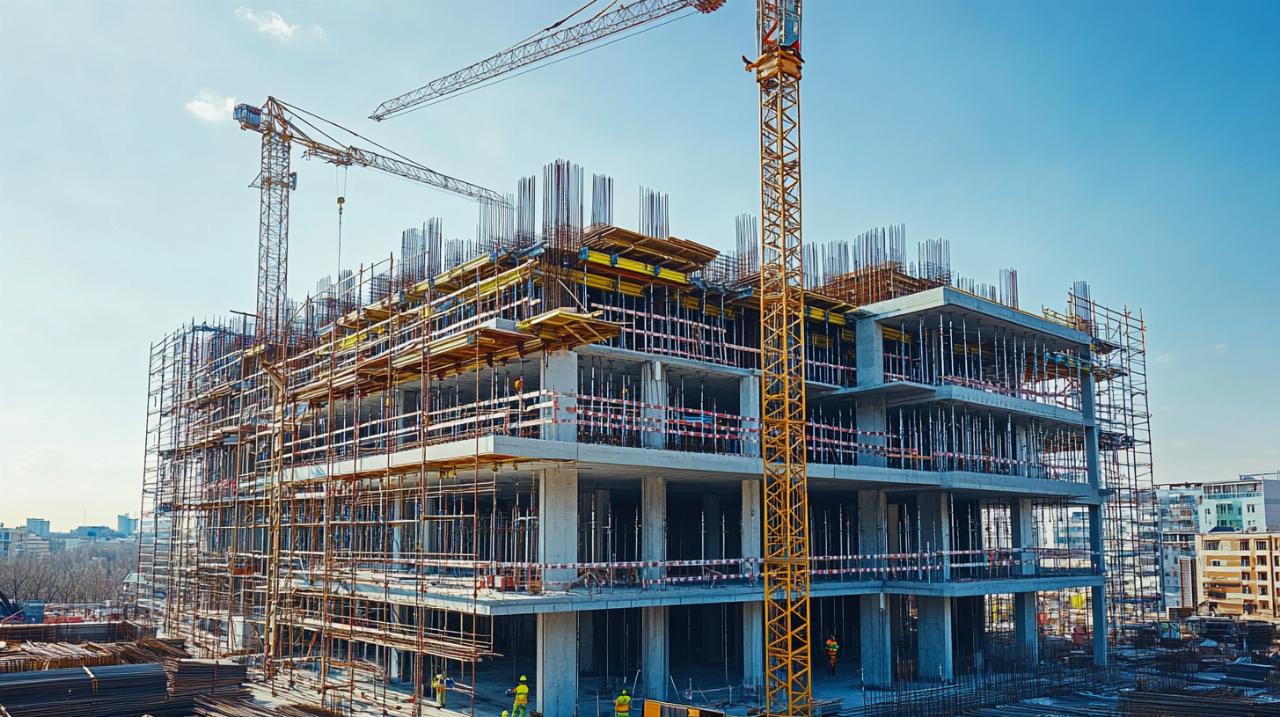
Building Research Establishment Environmental Assessment Methodology represents the leading sustainability assessment system for buildings in the United Kingdom, providing a comprehensive framework for evaluating environmental performance across multiple criteria. For industrial buildings, BREEAM assessment examines management practices, health and wellbeing provisions, energy efficiency, transport accessibility, water consumption, material selection, waste management, land use and ecology, and pollution prevention. Projects with construction costs exceeding five hundred thousand pounds typically must undergo formal BREEAM assessment to demonstrate compliance with environmental standards established since 2012. The assessment process awards credits across these categories, with the total score determining the certification level ranging from pass through good, very good, and excellent to outstanding. Achieving higher BREEAM ratings requires integrated design approaches that consider environmental impacts holistically rather than addressing individual elements in isolation. Industrial facilities pursuing BREEAM certification benefit from structured frameworks that guide decision-making towards sustainable outcomes whilst providing third-party verification of environmental credentials. For smaller projects below the formal assessment threshold, internal checklists covering six key areas offer proportionate environmental evaluation. These areas focus on energy conservation through efficient systems and renewable sources, water efficiency through recycling and consumption reduction, biodiversity protection through habitat preservation and species-sensitive landscaping, responsible material sourcing emphasising recycled content and sustainable supply chains, waste minimisation during construction and operation, and sustainable travel options that reduce carbon emissions from employee and goods transportation.
Implementing renewable energy systems and carbon reduction strategies
Industrial facilities offer substantial opportunities for renewable energy integration given their typically large roof areas, open sites, and significant electrical demands. Solar photovoltaic systems can generate considerable proportions of operational electricity requirements, with battery storage systems enabling energy use optimisation aligned with production schedules and tariff structures. Wind turbines may be viable on appropriate industrial sites where wind resources and planning constraints permit installation. Combined heat and power systems capture waste heat from electricity generation, dramatically improving overall energy efficiency for facilities with substantial thermal demands. Ground source heat pumps extract renewable thermal energy from the earth, providing efficient heating and cooling with minimal carbon emissions. The Industrial Decarbonisation Strategy emphasises technology adoption and process innovation as pathways to reducing emissions from industrial operations. Carbon reduction strategies extend beyond renewable energy to encompass operational efficiency improvements, process optimisation, and demand management. Building management systems with advanced controls enable precise matching of energy supply to operational requirements, eliminating wasteful consumption during periods of reduced activity. Thermal insulation beyond minimum regulatory standards reduces heating and cooling demands, lowering both energy consumption and carbon emissions. Facility design that maximises natural daylight reduces artificial lighting requirements, whilst occupancy sensors and daylight-responsive controls further optimise electrical consumption. Monitoring systems that track energy use and carbon footprint enable continuous improvement through identification of consumption patterns and efficiency opportunities.
Waste management, pollution control and site environmental protection measures
Construction sites generate substantial quantities of waste materials, with the construction industry overall using significant natural resources and producing considerable waste volumes that require careful management to minimise environmental impact. Effective waste management during industrial building construction reduces disposal costs, conserves resources through recycling and reuse, and demonstrates environmental responsibility. The Environmental Protection Act 1990 establishes the duty of care for waste, requiring all parties in the waste chain to ensure appropriate handling, storage, transportation, and disposal. Construction waste management plans identify anticipated waste streams, quantify expected volumes, and establish strategies for minimisation, segregation, reuse, and recycling. Material selection that prioritises products with recycled content or recyclable characteristics supports circular economy principles and reduces demand for virgin resources. Prefabrication and offsite manufacturing techniques minimise onsite waste generation through controlled factory environments with established waste recovery systems. Aluminium components regulated under regulations such as REACH exemplify materials offering sustainability benefits through recyclability and thermal performance, contributing to both construction efficiency and operational energy savings.
Construction site waste regulations and sustainable resource management
Regulatory requirements governing construction waste management include the Site Waste Management Plans for larger projects, which mandate documentation of waste reduction strategies and actual waste handling throughout construction. Waste carriers must possess appropriate licenses, with waste consignment notes providing traceability from generation through disposal or recovery. Landfill remains the least desirable waste destination due to environmental impacts and taxation, incentivising alternatives including recycling, recovery, and reuse. Construction companies increasingly establish waste segregation systems on site, with separate skips or containers for timber, metals, plastics, and inert materials enabling efficient recovery and recycling. Excavated soils and demolition materials from site clearance often find reuse either on the development site for landscaping and levelling or at other nearby projects requiring fill material. Surplus materials resulting from overordering or design changes can be returned to suppliers or redistributed to other projects through material exchange platforms, preventing unnecessary waste whilst reducing procurement costs elsewhere. Regular waste audits during construction verify that waste management procedures operate effectively and identify opportunities for further improvement. Stakeholder engagement between main contractors, subcontractors, and suppliers ensures all parties understand waste reduction objectives and contribute to achieving environmental targets. Documentation practices throughout the construction phase provide evidence of regulatory compliance and support continuous improvement in waste management performance across subsequent projects.
Water quality protection and air pollution prevention protocols
Construction activities pose potential threats to water quality through sediment runoff, chemical spillage, and concrete washwater discharge, requiring protective measures to prevent watercourse contamination. Site drainage systems must incorporate appropriate controls including settlement lagoons, silt fences, and oil interceptors that remove pollutants before water leaves the construction site. Fuel and chemical storage requires bunded areas with capacity exceeding stored volumes to contain potential spills, preventing soil and groundwater contamination. Concrete washout facilities provide designated locations for cleaning mixer drums and equipment, preventing alkaline washwater from entering drainage systems or watercourses. Regular inspections of pollution control measures ensure continued effectiveness throughout construction, with maintenance or replacement when performance deteriorates. Air quality protection focuses on controlling dust generation and emissions from construction plant and vehicles. Dust suppression through water spraying, vehicle wheel washing, and limiting vehicle speeds on unpaved surfaces reduces particulate emissions that affect both site workers and surrounding communities. The Clean Air Act establishes requirements for emissions control, with construction activities subject to restrictions on smoke, dust, and fumes that might cause statutory nuisance. Construction plant and vehicles should meet current emission standards, with newer equipment offering superior environmental performance and lower pollution output. Building materials selection increasingly considers air quality impacts, with products emitting low levels of volatile organic compounds preferred to protect indoor air quality in completed buildings. Fire Safety Consultancy services address requirements for fire protection systems that safeguard industrial facilities whilst minimising environmental impacts from fire suppression agents. Quality control standards applied throughout construction ensure that environmental protection measures receive the same rigorous attention as other project requirements, embedding environmental compliance within overall project delivery rather than treating it as a separate consideration.