
When it comes to managing employee meal benefits in the workplace, one question that often arises amongst British workers and employers alike is understanding the practical limitations and conditions surrounding the use of restaurant vouchers at the point of sale. These vouchers, frequently part of a broader employee benefits package, serve as a valuable perk designed to offset the cost of daily meals. However, navigating the rules governing how many vouchers can be redeemed in a single transaction, alongside the associated payment ceilings and expiry timelines, requires a clear understanding of both company policies and national regulations. This article aims to demystify the landscape of meal vouchers, providing clarity on allocation limits, eligible products, and the systems that underpin their redemption across UK restaurants and beyond.
Understanding the Maximum Allocation and Payment Limits for Restaurant Vouchers
Employer-Provided Meal Voucher Schemes: Allocation as Part of Salaries
Meal vouchers, often referred to as lunch vouchers, have become an integral component of employee benefits packages, particularly in workplaces where staff members require sustenance during their working hours. These vouchers are not mandatory for employers to provide, yet they represent a widely appreciated form of support that acknowledges the cost of meals incurred during the workday. Typically, the employer contributes a significant portion of the voucher value, often between fifty and sixty percent, whilst the employee covers the remaining forty to fifty percent. This shared financial responsibility ensures that the benefit remains both accessible and sustainable for all parties involved. The value of each voucher is set by the employer, though it is subject to certain legal restrictions designed to prevent misuse and ensure fairness. For instance, employees are generally entitled to one voucher per meal that falls within their daily working hours, reflecting the practical need for nourishment during extended shifts. The vouchers can be used not only in restaurants but also in supermarkets and other approved outlets where groceries and consumables are sold, offering flexibility in how employees choose to satisfy their dietary needs. Validity is typically confined to the region where the employee works and its neighbouring areas, ensuring that the benefit remains relevant and usable within a practical geographical scope.
Ceiling restrictions on voucher usage per single checkout transaction
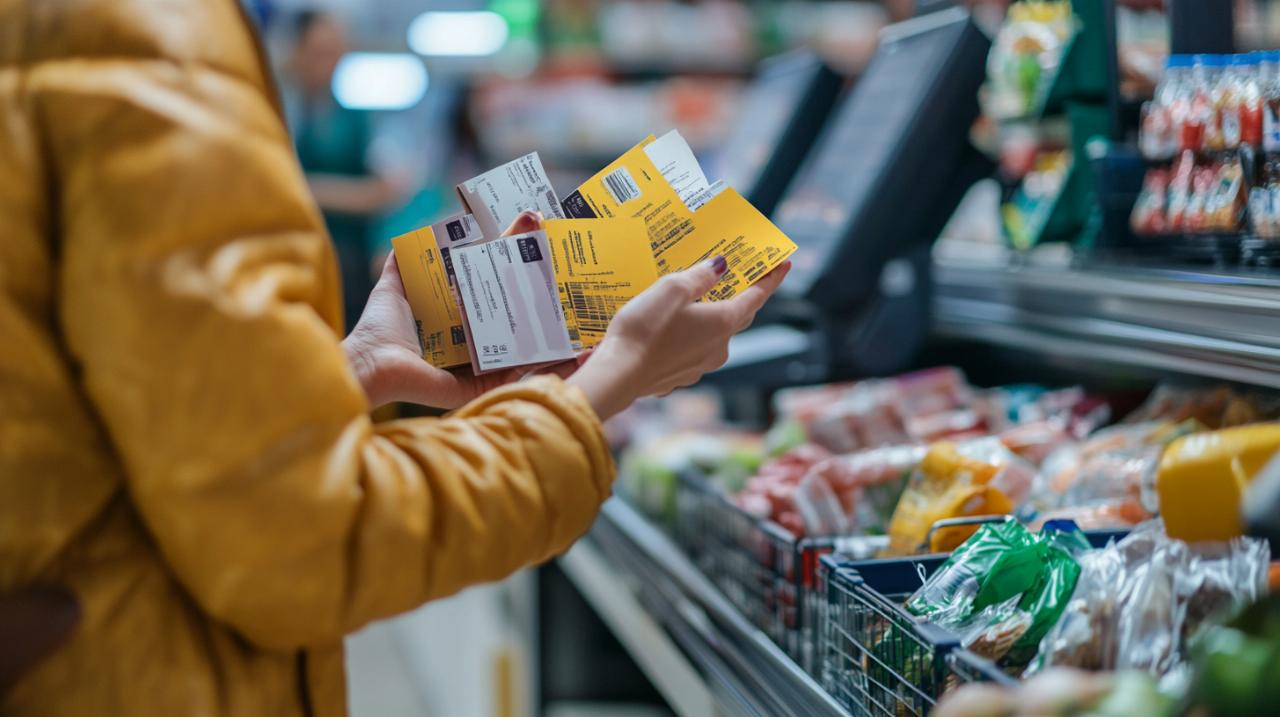
A critical aspect of using meal vouchers is understanding the maximum amount that can be redeemed in a single checkout transaction. Since October 2022, employees have benefited from more flexible conditions, with the daily ceiling raised from the traditional nineteen pounds to twenty-five pounds per working day. This increase was introduced to provide greater purchasing power and to reflect the rising cost of meals, particularly in urban centres where dining expenses can quickly accumulate. However, this ceiling does not necessarily dictate the number of physical or electronic vouchers that can be presented at the checkout, but rather the total value that can be redeemed in one go. For example, an employee holding multiple vouchers may combine them to reach the daily limit, provided that the total value does not exceed the prescribed ceiling. It is important to note that the use of meal vouchers is generally restricted to working days, meaning Sundays and public holidays are excluded unless the employee is scheduled to work on those days. This restriction ensures that the benefit is aligned with its intended purpose, which is to support meals consumed during the normal course of employment. Additionally, the type of voucher, whether paper-based or dematerialised, can influence the redemption process. Paper vouchers typically expire on the thirty-first of January of the year following their issuance, whereas dematerialised vouchers, such as those provided through modern platforms like Worklife, enjoy an extended validity period, lasting until the end of February the following year. This extended timeframe offers greater convenience and reduces the risk of unused vouchers going to waste.
Eligible products and company policies governing food voucher redemption
Defining consumables and meals covered under voucher programmes
Understanding which products and services are eligible for payment using meal vouchers is essential for both employees seeking to maximise their benefits and employers aiming to maintain compliance with national regulations. Generally, meal vouchers are designed to cover the cost of food and beverages intended for immediate consumption or preparation. This includes meals purchased at restaurants, snack bars, bakeries, and similar establishments, as well as groceries bought from supermarkets that can be used to prepare meals at home. The definition of eligible consumables is intentionally broad, allowing employees the flexibility to choose between dining out and purchasing ingredients for home-cooked meals. However, certain restrictions apply to ensure that the vouchers are used for their intended purpose. For instance, non-food items such as household goods, clothing, or electronics are typically excluded from voucher redemption, as they do not align with the benefit's focus on supporting nutritional needs during working hours. Companies may also implement their own policies that further refine the scope of eligible products, particularly if they partner with specific providers who operate within a defined acceptance network. These policies are usually communicated clearly to employees at the outset, often through employee handbooks or digital platforms that accompany the voucher card or app. By setting clear boundaries around what can and cannot be purchased, employers help to maintain the integrity of the meal voucher scheme whilst ensuring that employees can make informed decisions at the checkout.

Provider-specific systems: edenred codes and resto voucher mechanisms
The landscape of meal voucher provision in the United Kingdom and across Europe is populated by a variety of specialist companies, each offering distinct systems and mechanisms for voucher redemption. Providers such as Edenred, Sodexo, Swile, and Appetiz have developed sophisticated platforms that streamline the issuance, management, and redemption of meal vouchers. These platforms often operate through prepaid payment cards that are valid for three years and can be used in a wide network of affiliated restaurants, supermarkets, and other food outlets. The cards themselves come in different types, including first-generation cards that operate on the Visa or Mastercard networks, second-generation cards that utilise the Conecs network, and hybrid or mixed cards that support both networks for maximum flexibility. This variety ensures that employees can use their vouchers at a broad range of establishments, enhancing the practical utility of the benefit. Each provider typically assigns a unique code to the voucher card, which can be used for online management, reloading funds, or ordering replacements in case of loss or theft. The use of digital codes and online platforms has revolutionised the administration of meal vouchers, allowing employers to load funds onto cards remotely and employees to track their balances in real time through dedicated apps. This transition from paper vouchers to electronic systems has brought numerous advantages, including improved security, reduced environmental impact, and greater accuracy in payment. Employees no longer need to worry about losing paper vouchers or calculating exact change, as the card allows for precise transactions up to the available balance. Furthermore, the integration of contactless payment technology means that transactions can be completed quickly and efficiently, minimising wait times at the checkout and enhancing the overall user experience. The choice of provider is a significant decision for employers, who must consider factors such as product quality, customer service, the breadth of the acceptance network, and any additional benefits or discounts that may be offered to employees as part of the scheme.
National Regulations and Practical Considerations for Employee Meal Voucher Rights
Statutory Framework and Commission Handling for Work-Related Meal Benefits
The provision and use of meal vouchers are governed by a combination of national regulations and industry standards designed to protect employee rights and ensure fair treatment across different sectors. In many jurisdictions, the statutory framework stipulates that meal vouchers must be offered in a manner that respects the principles of equity and transparency, with clear guidelines on employer and employee contributions, daily limits, and acceptable use cases. The temporary increase in the daily ceiling to thirty-eight pounds during the Covid-19 pandemic, which lasted until the first of September 2021, exemplifies how regulations can be adapted in response to extraordinary circumstances to support both employees and the restaurant sector. This measure was intended to boost consumer spending in restaurants that had been severely impacted by lockdowns and social distancing requirements, thereby aiding economic recovery. Beyond the basic legal requirements, companies must also navigate the issue of commission handling, which refers to the fees charged by voucher providers for the manufacturing, management, and reloading of cards. These supplier fees are typically borne by the employer and can vary significantly depending on the provider and the level of service offered. It is essential for employers to factor these costs into their overall budgeting for employee benefits, as they can have a material impact on the total expenditure associated with a meal voucher scheme. Additionally, the statutory framework often includes provisions for the regional validity of vouchers, ensuring that employees can use their benefits within a defined geographical area that encompasses their place of work and neighbouring regions. This regional approach helps to maintain the practical relevance of the benefit whilst preventing misuse or fraud. Employers are also required to communicate clearly with employees about their rights and responsibilities regarding meal vouchers, including information on eligible products, daily limits, and expiry dates. This transparency is crucial for fostering trust and ensuring that employees can make full use of the benefits available to them.
Paper Versus Electronic Vouchers: Acceptance and Usage at UK Restaurants
The evolution from traditional paper meal vouchers to modern electronic prepaid cards has been one of the most significant developments in the realm of employee benefits over recent years. Paper vouchers, whilst still in use in some contexts, are increasingly being phased out in favour of digital alternatives that offer superior convenience, security, and environmental sustainability. One of the primary drawbacks of paper vouchers is their limited validity period, which typically expires on the thirty-first of January of the year following their issuance. This relatively short window can lead to situations where employees inadvertently allow vouchers to expire, resulting in a loss of value estimated to be around one hundred pounds per year for some workers. In contrast, dematerialised vouchers such as those provided through platforms like Worklife enjoy an extended validity period lasting until the end of February, providing employees with additional time to redeem their benefits. Electronic vouchers also eliminate the need for employees to calculate exact change or worry about losing physical vouchers, as the balance is securely stored on the card and can be accessed at any time through a dedicated app or online portal. The transition to electronic systems has been supported by advances in payment technology, including the widespread adoption of contactless payment methods that allow for swift and seamless transactions at the checkout. For restaurants and other food outlets, accepting electronic meal vouchers is often more straightforward than handling paper versions, as the payment process is integrated into the same systems used for credit and debit card transactions. This integration reduces the administrative burden on staff and minimises the risk of errors or fraud. However, it is important to note that not all restaurants may be equipped to accept meal vouchers, whether paper or electronic, and employees should check the acceptance network of their chosen provider to ensure that their preferred dining establishments participate in the scheme. The acceptance network is a key consideration for both employees and employers when selecting a meal voucher provider, as a broader network translates into greater flexibility and convenience for users. Furthermore, the shift to electronic vouchers has environmental benefits, as it reduces the need for paper production and the associated carbon footprint. Enhanced security features are another advantage, as lost or stolen cards can be replaced online without loss of funds, and employers can remotely manage card balances and issue replacements as needed. Despite these advantages, some employees may initially resist the transition from paper to electronic vouchers, particularly if they are accustomed to the traditional system or have concerns about digital technology. Effective communication and education are therefore essential to manage this change, highlighting the practical benefits of the new system and providing support to employees as they adapt to the digital platform. By addressing concerns and emphasising the advantages of electronic vouchers, employers can facilitate a smooth transition that enhances the overall value of the meal voucher benefit for all stakeholders involved.