
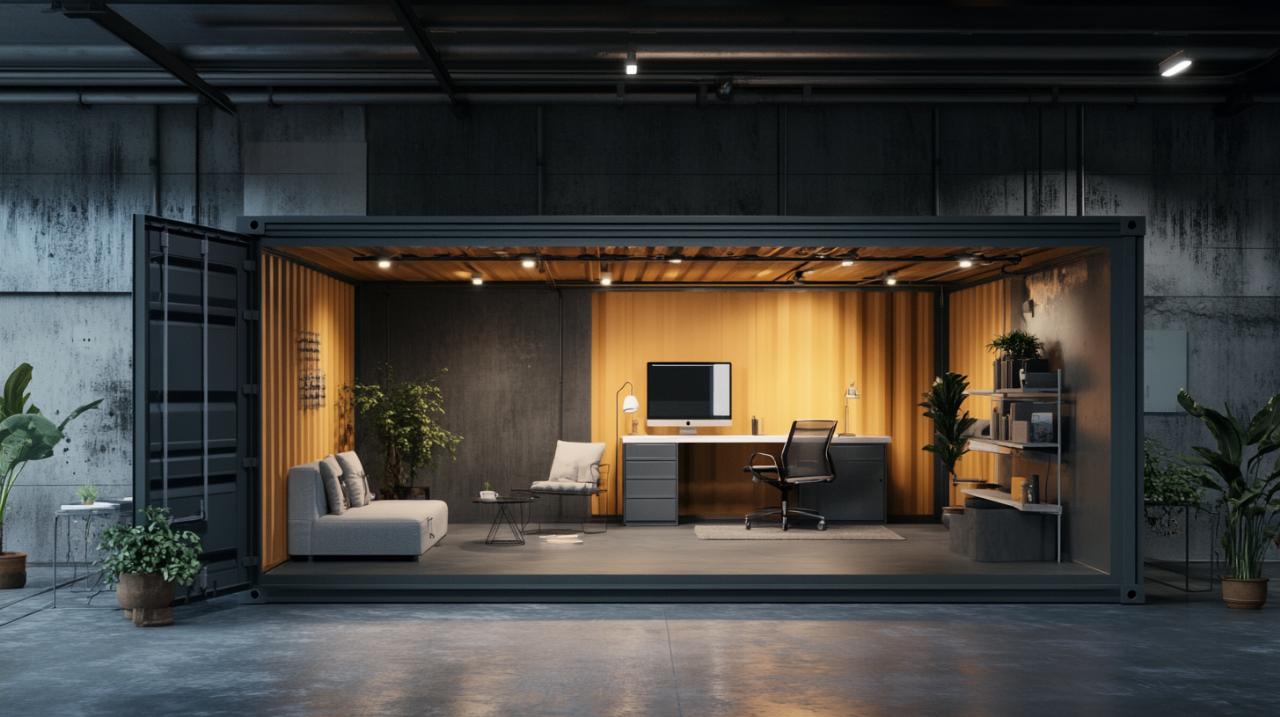
The modern workplace continues to evolve, and more professionals are seeking innovative solutions that blend practicality with creativity. One such solution gaining momentum is the transformation of shipping containers into fully functional office spaces. These robust structures offer a unique alternative to conventional workspaces, combining affordability with remarkable versatility. Whether you require a private studio for focused work or a collaborative environment for a small team, a container office presents an exciting opportunity to reimagine what a productive workspace can be.
Designing your shipping container office: layout and structural considerations
Creating an effective office environment within a shipping container begins with thoughtful planning around the structure itself. The dimensions of your chosen container will significantly influence the overall design. A standard twenty-foot container provides a compact yet sufficient area for a single workstation or a small meeting space, whilst a forty-foot option delivers ample room for multiple desks, storage solutions, and even a small breakout area. For those seeking additional vertical space, high-cube containers offer taller ceilings, which can make the interior feel more open and less confined.
Structural modifications are a critical aspect of the conversion process. These adaptations may include cutting openings for doors and windows, reinforcing the framework to support additional weight, and ensuring the container remains weatherproof throughout its transformation. Engaging professionals who specialise in container conversions can ensure that all modifications meet building regulations and safety standards. The flexibility of these steel structures means they can be adapted to suit a wide range of purposes, from temporary site accommodation to permanent office installations.
Maximising Natural Light with Strategic Window and Door Placement
One of the most important considerations when designing a container office is the introduction of natural light. A well-lit workspace not only enhances productivity but also contributes to overall wellbeing. Strategic placement of windows and doors can transform the interior from a dark, industrial shell into a bright and inviting environment. Installing large windows along the longer sides of the container allows sunlight to flood the space throughout the day, reducing the reliance on artificial lighting and creating a more pleasant atmosphere.
Double doors at one end can serve both functional and aesthetic purposes, offering easy access whilst also framing views of the surrounding landscape. For those situated in more private or rural settings, glass doors can blur the boundary between indoor and outdoor spaces, fostering a sense of openness. Privacy concerns can be addressed with frosted glass or strategically positioned window coverings, ensuring that the workspace remains comfortable without sacrificing natural illumination. The choice of door and window styles should complement the overall design vision whilst adhering to practical requirements such as security and weather resistance.
Essential insulation solutions for year-round comfort
Insulation is a fundamental component of any container office conversion, particularly given the steel construction of these structures. Without adequate insulation, the interior can become uncomfortably hot during summer months and bitterly cold in winter. Several insulation materials are suitable for container offices, including spray foam, rigid foam boards, and mineral wool. Each option has its own benefits, with spray foam offering excellent thermal performance and air sealing, whilst mineral wool provides sound dampening alongside thermal insulation.
Proper insulation not only regulates temperature but also prevents condensation, which can lead to mould growth and structural damage over time. The walls, ceiling, and floor should all be insulated to create a consistent thermal envelope. Ventilation systems work in tandem with insulation to ensure adequate air circulation, preventing stuffiness and maintaining a healthy indoor environment. Some conversions incorporate mechanical ventilation with heat recovery, which extracts stale air whilst retaining warmth, thereby improving energy efficiency. These measures collectively ensure that the workspace remains comfortable regardless of external weather conditions, supporting sustained productivity throughout the year.
Furnishing and Interior Design: Creating a Functional Workspace
Once the structural elements are in place, attention turns to the interior design and furnishing of the container office. The goal is to create a space that is both functional and aesthetically pleasing, balancing practicality with personal style. Given the compact nature of most container offices, every square metre must be utilised effectively. Thoughtful furniture selection and layout planning are essential to achieving a workspace that supports daily tasks without feeling cramped or cluttered.
Colour schemes and finishes can significantly influence the ambiance of the office. Light colours on walls and ceilings help to reflect natural light and make the space feel larger, whilst darker tones can add warmth and depth when used as accents. Flooring options range from durable vinyl to engineered wood, each offering different aesthetic and practical benefits. The choice of materials should consider factors such as ease of maintenance, comfort underfoot, and compatibility with the overall design vision. Personal touches such as artwork, shelving, and decorative items contribute to a space that feels uniquely yours, encouraging creativity and motivation.
Selecting modular furniture for flexible space utilisation
Modular furniture is particularly well-suited to container offices, offering adaptability and efficient use of limited space. Desks with adjustable heights accommodate different working postures, promoting ergonomic comfort throughout the day. Storage units that can be reconfigured or moved as needs change allow for ongoing flexibility, ensuring the office remains functional as your work evolves. Multi-purpose furniture, such as benches with built-in storage or foldable desks, maximises utility without overwhelming the interior.
When selecting furniture, prioritise pieces that are proportionate to the dimensions of the container. Oversized items can dominate the space and restrict movement, whilst appropriately scaled furniture maintains a sense of openness. Vertical storage solutions, such as wall-mounted shelves and cabinets, free up valuable floor space and keep essential items within easy reach. Smart storage systems, including filing cabinets with lockable compartments and organisers for cables and stationery, help maintain a tidy and professional environment. The overall arrangement should facilitate easy navigation and create distinct zones for different activities, such as focused work, meetings, or breaks.
Incorporating biophilic design elements with indoor plants
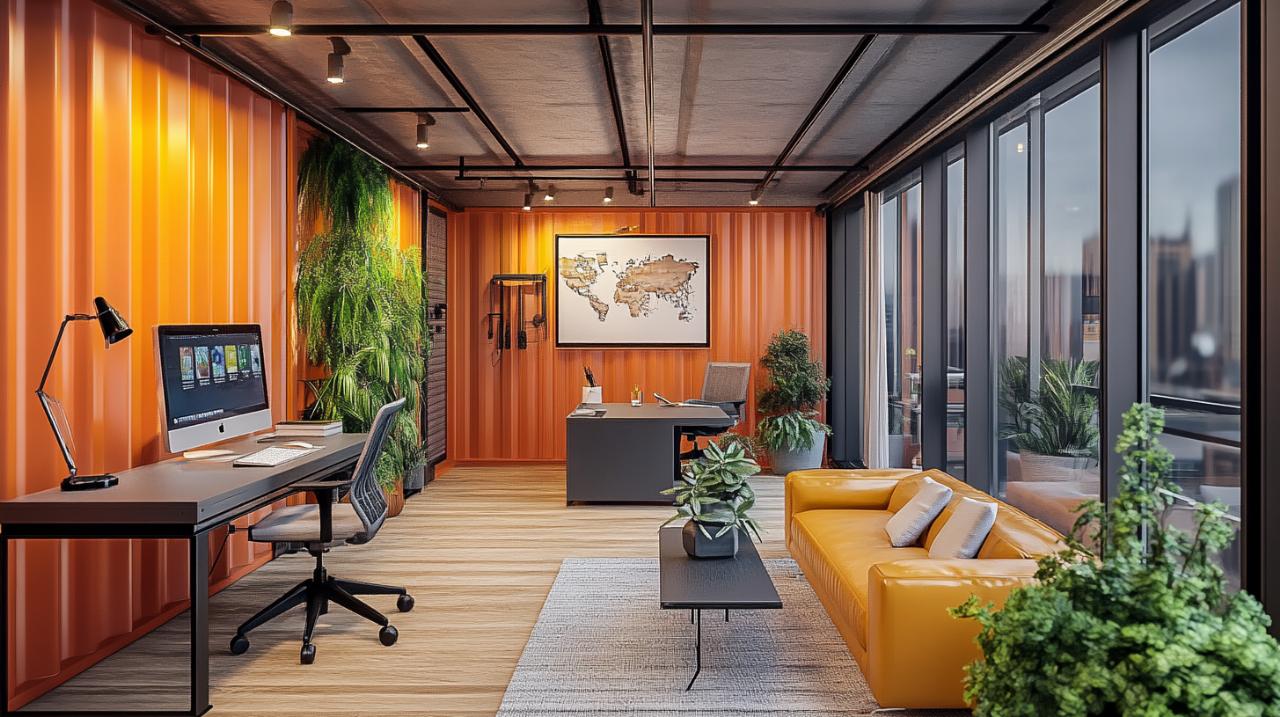
Biophilic design, which emphasises the connection between humans and nature, has been shown to enhance wellbeing and productivity in workspaces. Incorporating indoor plants into a container office introduces a touch of greenery that can improve air quality and create a calming atmosphere. Low-maintenance plants such as succulents, snake plants, and pothos are ideal for office environments, thriving with minimal care whilst adding visual interest.
Plants can be displayed on desks, shelves, or in hanging planters, allowing for creative arrangements that complement the overall design. Larger plants in floor-standing pots can serve as natural dividers, subtly defining different areas within the office. Beyond their aesthetic appeal, plants have been linked to reduced stress levels and improved concentration, making them a valuable addition to any workspace. Natural materials such as wood and stone can further enhance the biophilic effect, creating a harmonious environment that feels both modern and grounded. This approach to interior design transforms the container office into a space that nurtures both productivity and wellbeing.
Integrating smart office technologies for enhanced productivity
Modern workspaces increasingly rely on technology to streamline operations and enhance efficiency. Integrating smart office technologies into a container office can elevate the working experience, making daily tasks more convenient and supporting better resource management. From automated systems to intelligent devices, these technologies offer a range of benefits that align with contemporary work practices. The key is to select solutions that genuinely enhance functionality without adding unnecessary complexity.
Connectivity is a cornerstone of any effective office setup. Ensuring robust internet access is essential, whether through a wired broadband connection, fibre optic service, or high-speed wireless solutions. For container offices located in more remote areas, satellite internet or mobile hotspots may provide viable alternatives. Reliable connectivity supports video conferencing, cloud-based collaboration tools, and seamless communication with clients and colleagues. Backup solutions, such as secondary internet connections or portable Wi-Fi devices, can provide peace of mind and continuity in the event of primary service disruptions.
Automated climate control and energy management systems
Automated climate control systems represent a significant advancement in maintaining a comfortable and energy-efficient workspace. Smart thermostats allow precise control over heating and cooling, learning user preferences and adjusting settings automatically to optimise comfort whilst minimising energy consumption. These devices can be controlled remotely via smartphone apps, enabling adjustments even when away from the office. For container offices equipped with solar panels or other renewable energy sources, energy management systems can monitor power generation and usage, ensuring that resources are utilised effectively.
Integrating sensors that detect occupancy can further enhance energy efficiency by adjusting lighting and climate settings based on whether the office is in use. Motion-activated lighting reduces electricity consumption by ensuring lights are only on when needed, whilst timers and programmable switches offer additional control. Some systems provide detailed energy usage reports, helping to identify opportunities for further savings and supporting sustainable practices. These technologies not only reduce operational costs but also contribute to a smaller environmental footprint, aligning with broader goals of sustainability and responsible resource management.
Connectivity solutions and intelligent workspace equipment
Beyond internet connectivity, a range of intelligent devices can enhance the functionality of a container office. Wireless charging stations built into desks or furniture eliminate cable clutter and keep devices powered throughout the day. Smart speakers and voice assistants can manage schedules, set reminders, and control other connected devices through simple voice commands, streamlining routine tasks. Integrated video conferencing equipment, including high-quality cameras and microphones, supports seamless virtual meetings, which have become a staple of modern work environments.
Security is another area where smart technology offers significant advantages. Surveillance systems with remote monitoring capabilities provide real-time alerts and video feeds, ensuring the office remains secure even when unattended. Reinforced locks with electronic access control add an extra layer of protection, allowing entry only to authorised individuals. Cloud-based backup solutions safeguard important files and data, providing redundancy and protecting against loss due to hardware failure or other unforeseen events. By thoughtfully integrating these technologies, a container office can deliver a working environment that is not only efficient and secure but also adaptable to the evolving demands of contemporary professional life.