
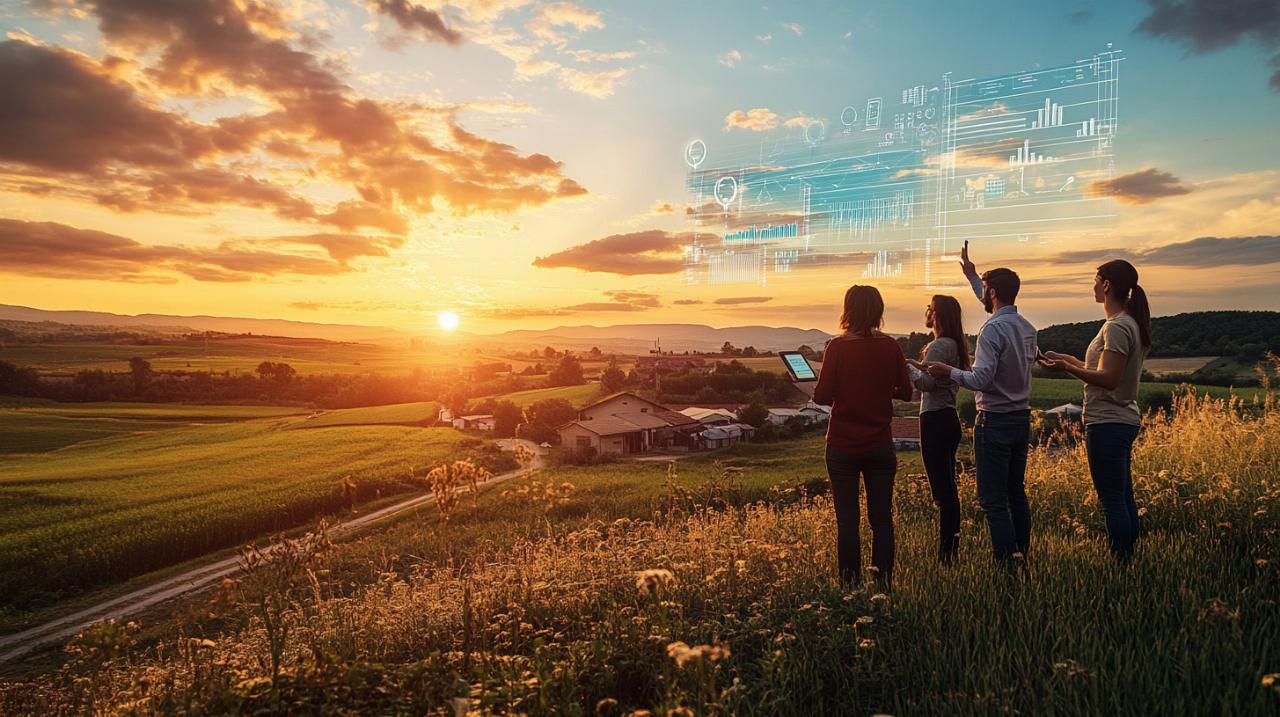
The countryside has long held a unique appeal, offering respite from urban bustle and showcasing the charm of simpler living. For enterprises nestled in these rural landscapes, the challenge lies not in the beauty of their surroundings but in effectively communicating that allure to potential visitors and customers. Marketing in such environments requires a thoughtful blend of authenticity, innovation, and community connection, ensuring that these businesses can thrive whilst maintaining the character that makes them special.
Digital marketing approaches for countryside enterprises
The digital revolution has transformed how rural businesses connect with the wider world, providing unprecedented opportunities to reach audiences far beyond their immediate locale. For countryside enterprises, embracing digital channels is no longer optional but essential for survival and growth. The landscape of digital marketing offers a multitude of tools, from social media platforms to search engine optimisation, each capable of amplifying the unique voice of rural destinations. Small and medium-sized businesses in these areas are increasingly recognising that their remoteness need not be a barrier but can instead become a selling point when marketed effectively through digital means.
Leveraging social media platforms to showcase rural charm
Social media has emerged as a powerful ally for countryside businesses seeking to share their stories with the world. Platforms such as Facebook remain particularly popular in rural areas, providing a familiar space where enterprises can cultivate meaningful relationships with their audience. A compelling example comes from a small farm in Oregon that managed to increase its customer base by an impressive two hundred per cent within a single year through strategic use of social media marketing. This success story illustrates how carefully crafted content that highlights the authenticity and natural beauty of rural settings can resonate deeply with audiences seeking alternatives to mass-produced goods and experiences. By sharing images of rolling fields, artisan production processes, and the faces behind the enterprise, rural businesses create an emotional connection that transcends geographical boundaries. The key lies in consistency and authenticity, ensuring that every post reinforces the unique character of the countryside location whilst providing value to followers. As of early 2023, approximately eighty per cent of rural Americans have access to high-speed internet, a figure that demonstrates the growing potential for digital engagement even in previously underserved areas. This improved digital accessibility opens doors for countryside enterprises to participate fully in online conversations and commerce, levelling the playing field with their urban counterparts.
Search engine optimisation techniques for local rural businesses
Whilst social media creates conversation and community, search engine optimisation ensures that countryside enterprises can be discovered by those actively seeking what they offer. For rural destinations, this means crafting content that speaks to both the practical needs of potential visitors and the emotional desires that draw people to the countryside. Local resources play a crucial role in this strategy, as emphasising locally sourced products and eco-friendly practices aligns perfectly with current consumer values. Surveys suggest that sixty per cent of rural consumers are willing to pay more for locally sourced products, a statistic that underscores the importance of highlighting local provenance in all marketing materials. Effective search engine optimisation for countryside businesses involves identifying the specific terms and phrases that potential visitors use when planning rural getaways or seeking authentic countryside experiences. This might include references to specific activities, landscape features, or artisan products unique to the area. By integrating these keywords naturally into website content, blog posts, and online listings, rural enterprises can improve their visibility in search results. The technical aspects of search engine optimisation, including mobile responsiveness and page loading speed, are equally important, particularly given that many rural visitors begin their journey planning on mobile devices whilst daydreaming about their escape from urban life.
Community-driven marketing tactics for rural tourism
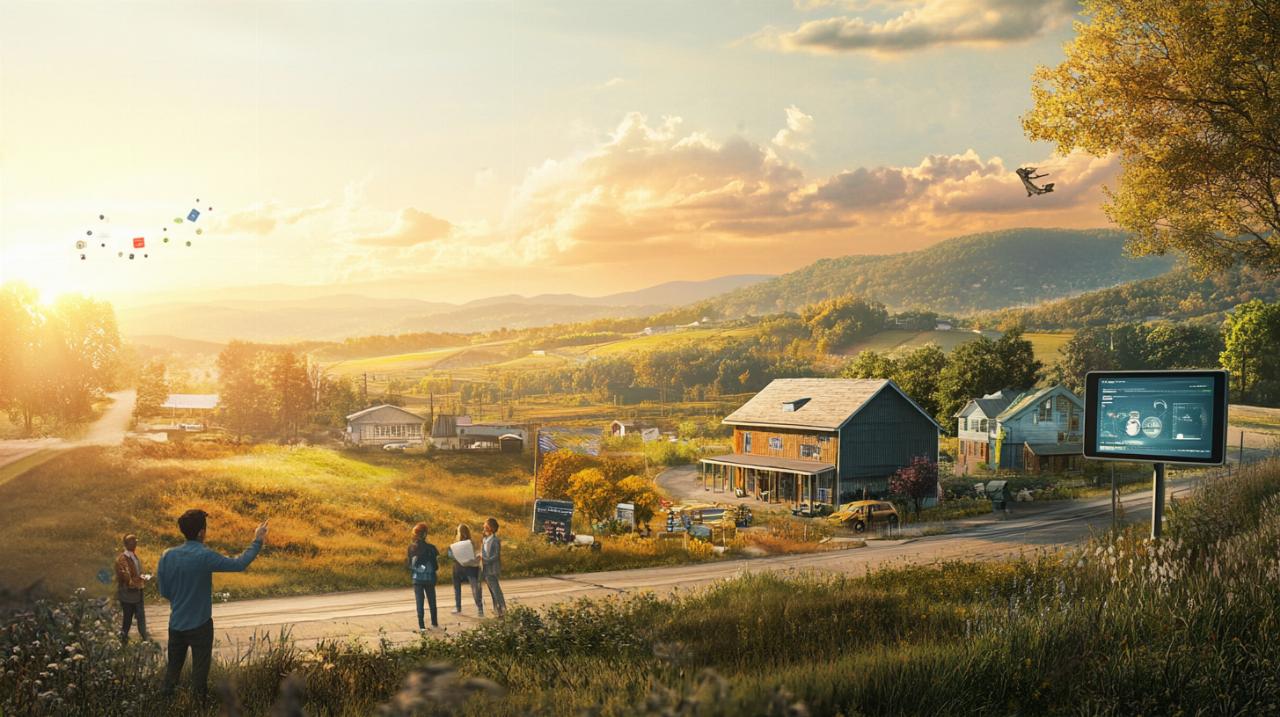
Beyond the digital realm, countryside enterprises find their greatest strength in the very essence of rural life: community. The interconnected nature of rural areas provides a foundation for marketing approaches that emphasise collective benefit and shared identity. When businesses in the countryside work together rather than in isolation, they create a richer, more compelling narrative that attracts visitors seeking authentic experiences. This community-driven approach to marketing recognises that a single enterprise rarely exists in isolation; rather, it forms part of a broader rural ecosystem that includes producers, artisans, heritage sites, and natural landscapes. By embracing this interconnectedness, countryside businesses can develop marketing strategies that amplify their individual appeal whilst contributing to the overall attractiveness of the rural destination.
Building Partnerships with Local Producers and Artisans
The relationship between countryside enterprises and local producers forms the backbone of authentic rural marketing. When a rural accommodation provider partners with nearby farms to supply breakfast ingredients, or when a countryside café showcases pottery from local artisans, they create stories that resonate with visitors seeking genuine connections. These partnerships serve multiple purposes, simultaneously strengthening the local economy, reducing environmental impact through shortened supply chains, and providing unique selling points for marketing materials. enterprise marketing strategies that highlight these collaborative relationships demonstrate commitment to community involvement and sustainability, two values that increasingly influence consumer decisions. Getting the community involved builds trust and encourages locals to become ambassadors for the businesses around them. A rural destination that can point to tangible support for local producers gains competitive advantage over those offering generic experiences. The authenticity that comes from these partnerships cannot be manufactured or imitated easily, making it a powerful differentiator in crowded tourism markets. Furthermore, when multiple countryside businesses coordinate their marketing efforts, they can pool resources to reach audiences that might be beyond the capacity of any single enterprise, creating a hybrid marketing approach that combines traditional word-of-mouth with digital amplification.
Creating authentic experiences through storytelling and heritage
Every countryside location possesses a unique heritage, a collection of stories accumulated over generations that distinguish it from every other rural destination. Effective marketing for countryside enterprises taps into this rich vein of narrative, transforming simple services and products into experiences imbued with meaning and connection. Storytelling in this context goes beyond mere historical recitation; it involves bringing the past into dialogue with the present, showing how traditional practices inform contemporary countryside life. A rural enterprise might share the story of how a particular craft technique has been preserved, or how a landscape has been shaped by centuries of careful stewardship. These narratives provide depth and context that enrich the visitor experience, transforming a simple countryside visit into a journey of discovery. Digital tools facilitate this storytelling, allowing enterprises to share these narratives through engaging content that can include videos, photo essays, and interactive maps. The support programmes tailored to rural areas increasingly recognise the importance of heritage storytelling, providing resources and training to help countryside businesses articulate their unique narratives effectively. Viktor Sokolov, a digital marketing strategist, emphasises that market reach expansion for rural enterprises depends not on abandoning their countryside character but on celebrating it through compelling digital storytelling. When rural SMEs invest in documenting and sharing their heritage, they create marketing assets that grow more valuable over time, building a library of content that continues attracting visitors and customers long after its initial creation.
The long-term viability of countryside enterprises depends on their ability to balance tradition with innovation, maintaining the authentic character that makes rural destinations appealing whilst embracing the tools and techniques necessary to compete in modern markets. In the United States, about twenty per cent of the population lives in rural areas, equalling over sixty million people who represent both a local customer base and potential ambassadors for rural tourism. By implementing effective marketing strategies that combine digital excellence with community-driven authenticity, countryside businesses can ensure their sustainable growth whilst preserving the rural character that makes them special. The future of rural enterprise marketing lies not in choosing between traditional and digital approaches but in crafting hybrid strategies that leverage the strengths of both, creating compelling narratives that draw visitors to the countryside and encouraging them to become part of the ongoing story of rural life.