
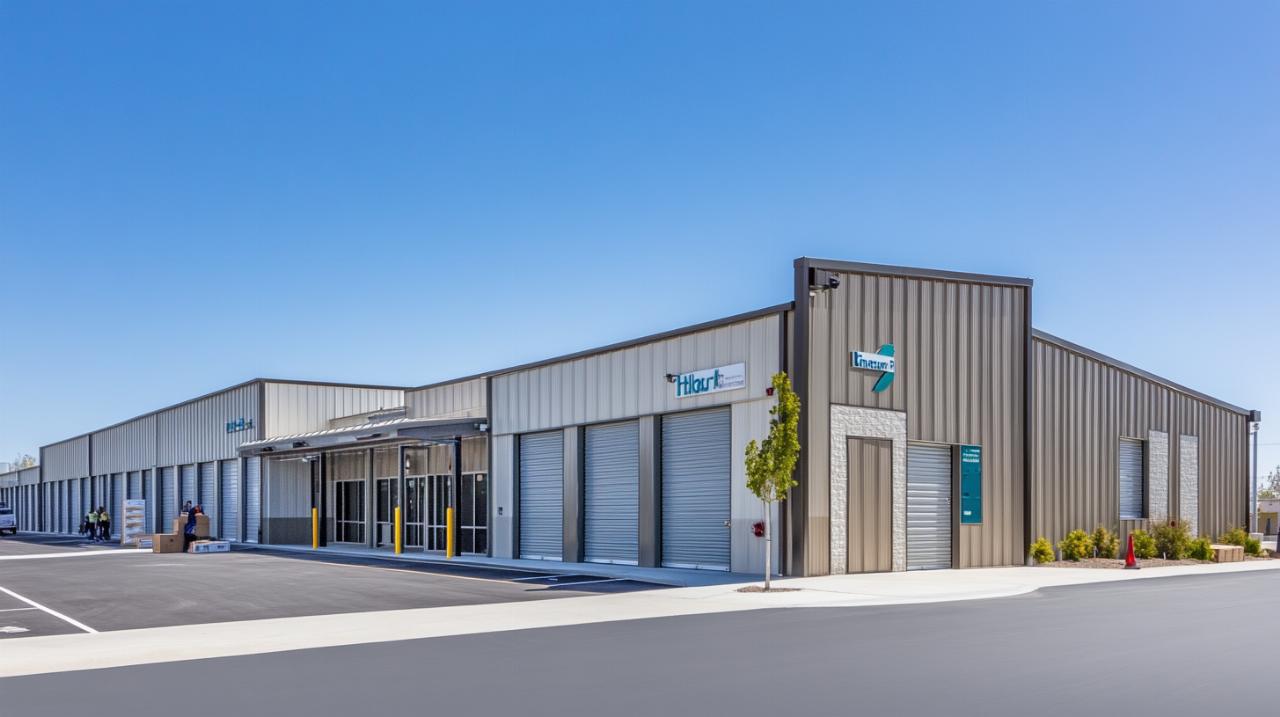
The self-storage sector has emerged as a compelling opportunity for investors seeking to diversify their portfolios with tangible assets that generate steady income. As residential and commercial property markets experience fluctuations, self-storage facilities offer a robust alternative characterised by resilient demand and relatively modest operational expenditure. With annual returns frequently reaching between eight and twelve percent, this asset class presents an attractive proposition for those willing to navigate its unique considerations. Understanding the nuances of location selection, market dynamics, and operational excellence becomes paramount when venturing into this increasingly popular investment avenue.
Understanding the self storage market landscape
Current Market Trends and Growth Drivers in Self Storage
The self-storage industry has witnessed remarkable expansion over recent years, fuelled by a confluence of societal and economic factors that continue to reshape demand patterns. Urbanisation remains a primary catalyst, as more individuals relocate to densely populated areas where living spaces are often limited and property prices soar. This migration creates a natural need for additional storage capacity, particularly among those downsizing from larger homes or transitioning between properties. The rise of e-commerce has also contributed significantly to market growth, with small businesses and online retailers requiring flexible warehousing solutions that self-storage facilities readily provide. These units offer the convenience of short-term leases and scalable space without the long-term commitments associated with traditional commercial premises.
Economic resilience distinguishes self-storage from other real estate sectors, as demand tends to remain consistent even during downturns. When households face financial pressures, many choose to downsize their living arrangements, thereby increasing their reliance on external storage. Conversely, during periods of economic prosperity, consumption rises and individuals accumulate possessions that necessitate additional space. This counter-cyclical characteristic ensures a steady stream of revenue, with occupancy rates in urban areas frequently surpassing eighty percent. Investors benefit from this stability, as consistent cash flow underpins the sector's appeal and mitigates the volatility often encountered in residential and commercial property markets.
Evaluating Demand Patterns and Urbanisation Impact on Storage Facilities
Demand for self-storage is intrinsically linked to demographic shifts and lifestyle changes that define contemporary living. As urban centres such as Corby, Melton Mowbray, Newark, Peterborough, and Stamford continue to attract residents, the pressure on living space intensifies, prompting a corresponding increase in storage requirements. Young professionals, families, and retirees alike seek flexible solutions to accommodate belongings during transitional phases, whether moving home, renovating properties, or managing inherited items. This diverse customer base ensures a broad and stable market, reducing dependency on any single demographic segment.
Urbanisation also influences the types of facilities that succeed in different locales. Metropolitan areas with limited residential square footage witness higher demand for climate-controlled units and premium security features, as customers store valuable or sensitive items. In contrast, semi-urban and suburban locations may cater to a more varied clientele, including hobbyists, collectors, and small tradespeople requiring accessible yet affordable storage. Recognising these patterns enables investors to tailor their offerings to local needs, optimising occupancy rates and rental yields. Thorough market research becomes essential to identify underserved areas and avoid oversaturated markets where competition erodes profitability.
Strategic location selection for maximum profitability
Identifying high-rental areas and occupancy rate indicators
Location stands as the cornerstone of a successful self-storage investment, with proximity to population centres and transport links directly influencing occupancy and rental income. Areas experiencing population growth, rising property prices, and limited housing availability typically exhibit strong demand for storage solutions. Investors should scrutinise local demographics, employment trends, and housing market data to gauge potential demand. Regions with high concentrations of renters, transient populations, or burgeoning small business sectors often prove fertile ground for self-storage ventures, as these groups frequently require flexible, short-term storage arrangements.
Occupancy rate indicators provide critical insight into the health of a potential investment. Facilities maintaining occupancy levels above eighty percent demonstrate robust demand and effective management, signalling a viable market. Conversely, lower occupancy may indicate oversupply, inadequate marketing, or suboptimal facility conditions. Rental rates in high-performing locations reflect the balance between demand and available supply, with urban centres commanding premium pricing due to space constraints. Investors must weigh the cost of acquiring or developing a facility against projected rental income, ensuring that net operating income aligns with target returns of eight to twelve percent. Capitalisation rates, typically ranging from five to seven percent in the self-storage sector, offer a comparative benchmark for evaluating investment opportunities across different locations.
Assessing installation requirements and facility maintenance standards
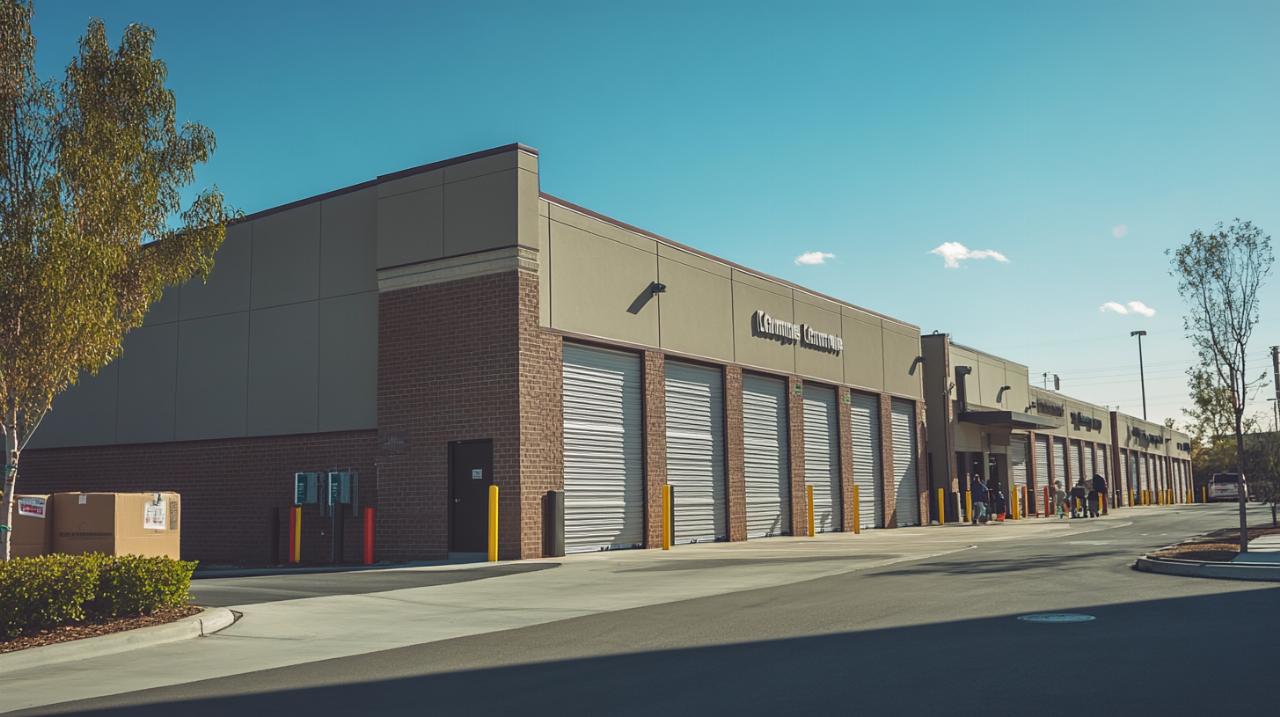
The physical characteristics of a self-storage facility significantly impact both initial capital outlay and ongoing operational efficiency. Installation of storage units demands careful planning to maximise usable space while ensuring ease of access and compliance with building regulations. Modern facilities often incorporate climate control systems, advanced lighting, and security infrastructure, all of which add to upfront costs but enhance customer satisfaction and rental premiums. Maintenance standards must remain consistently high to preserve the facility's reputation and safeguard tenant belongings. Regular inspections, prompt repairs, and proactive upgrades prevent deterioration and reduce the risk of costly emergency interventions.
Investors should account for the full spectrum of facility-related expenses when calculating potential returns. Operating costs for self-storage remain comparatively low relative to residential and commercial properties, yet they encompass utilities, security monitoring, staffing, and periodic refurbishment. Effective budgeting and financial planning ensure that net operating income remains robust and that unexpected expenditures do not erode profitability. Due diligence during the acquisition phase includes structural surveys, environmental assessments, and verification of planning permissions, all of which mitigate future complications. A well-maintained facility not only attracts and retains customers but also supports higher occupancy rates and premium pricing, directly enhancing investment returns.
Selecting the Right Management Partner and Service Quality
Comparing operators and their management practices
The choice of management partner profoundly influences the success of a self-storage investment, as operational expertise determines occupancy levels, customer satisfaction, and ultimately, financial performance. Investors may opt to self-manage smaller facilities, yet engaging experienced operators often yields superior results, particularly for multi-site portfolios or larger installations. Professional management companies bring established systems for marketing, customer service, and maintenance, reducing the administrative burden on investors while optimising revenue generation. Comparing operators requires scrutiny of their track record, occupancy rates, customer feedback, and pricing strategies to identify those best aligned with investment objectives.
Effective management practices encompass dynamic pricing models that adjust rental rates in response to demand fluctuations, ensuring competitiveness without sacrificing profitability. Operators should demonstrate proficiency in tenant acquisition and retention, employing digital marketing, local advertising, and referral incentives to maintain high occupancy. Regular financial reporting and transparent communication enable investors to monitor performance and intervene when necessary. Management complexity increases with facility scale and geographic dispersion, underscoring the value of partnering with firms possessing robust operational infrastructure and regional expertise. Strategic scaling becomes achievable when management partners facilitate expansion through streamlined processes and replicable best practices.
Security Measures and Client Service Excellence as Investment Criteria
Security constitutes a paramount concern for self-storage customers, directly influencing their choice of facility and willingness to pay premium rates. Investors must ensure that their properties feature comprehensive security measures, including perimeter fencing, gated access, surveillance cameras, and alarm systems. Many facilities now employ digital access controls that allow tenants to enter using personalised codes, creating an audit trail and enhancing safety. Well-lit premises and regular security patrols further reassure customers, reducing the risk of theft or vandalism and bolstering the facility's reputation within the community.
Client service excellence extends beyond security to encompass every interaction between staff and tenants. Facilities that receive frequent positive customer reviews often highlight the convenience of access hours, the helpfulness of staff support, and the cleanliness of units. Responsive customer service teams address enquiries promptly, facilitate smooth move-ins and move-outs, and resolve issues before they escalate. This level of attention fosters loyalty and generates word-of-mouth referrals, which remain among the most effective marketing tools in the sector. Investors should evaluate potential management partners on their commitment to service quality, recognising that superior customer experiences translate into sustained occupancy and competitive advantage. Regulatory hurdles related to planning permissions, fire safety, and data protection require diligent navigation, and operators well-versed in compliance minimise legal risks and ensure uninterrupted operations.