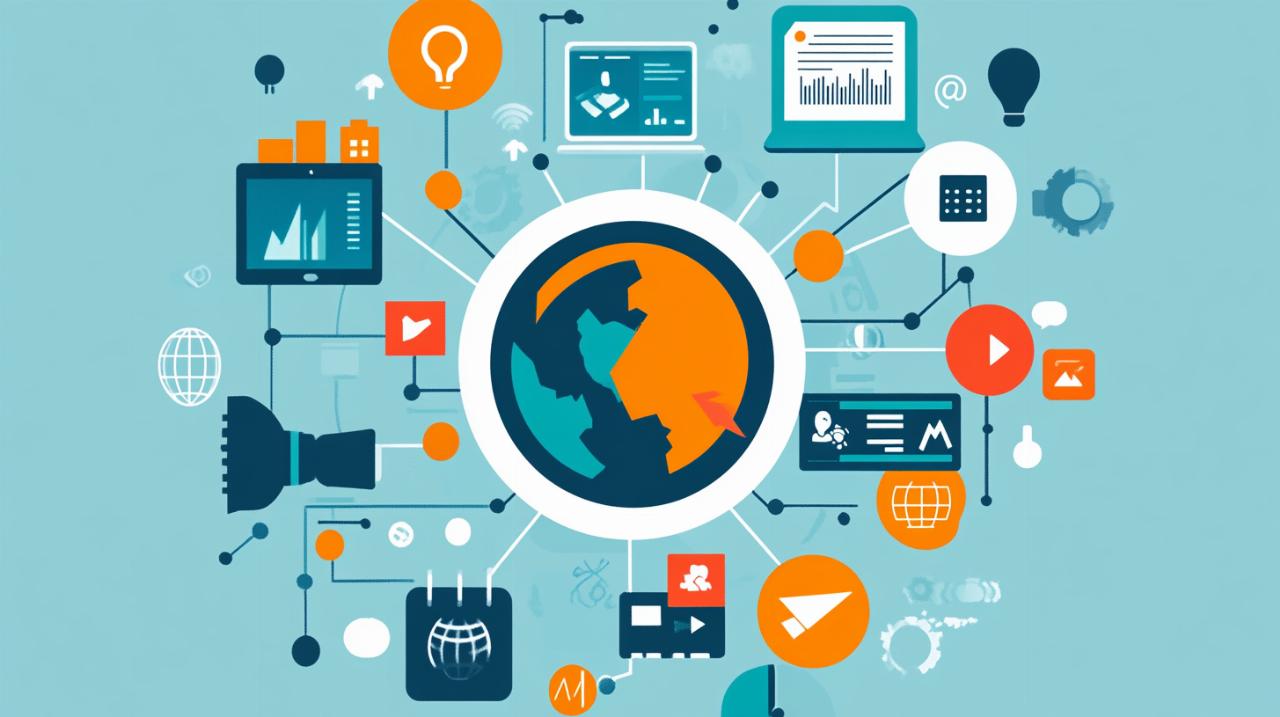
Understanding the landscape of digital marketing can seem daunting with its seemingly endless array of acronyms and technical terms. Yet, grasping the core concepts of SEM, SEO, SEA, SMO, and SMA is essential for anyone looking to enhance their online presence and connect with audiences in meaningful ways. These strategies form the backbone of modern marketing efforts, shaping how businesses attract visitors, engage communities, and ultimately convert interest into action. By exploring these distinct yet interconnected approaches, organisations can unlock new opportunities for growth, whether through organic search results, paid campaigns, or vibrant social media engagement.
Decoding digital marketing acronyms: sem, seo, sea, smo, and sma explained
What each term means for your online presence
At the heart of digital marketing lies Search Engine Marketing, commonly referred to as SEM, which encompasses a broad range of techniques designed to increase website visibility through search engines. This umbrella term brings together both organic and paid strategies, combining the strengths of Search Engine Optimisation, Search Engine Advertising, and Social Media Optimisation to drive targeted traffic to your website. The goal is simple yet powerful: to ensure that when potential customers search for products or services related to your business, your website appears prominently in the results, whether through natural rankings or paid placements.
Search Engine Optimisation, or SEO, focuses on improving a website's position in organic search results without direct payment to search engines. This long-term strategy relies on three fundamental pillars: technical excellence, compelling content creation, and the cultivation of popularity through link building and other off-page optimisation techniques. By conducting thorough keyword research and refining on-page elements such as meta tags, headings, and internal linking structures, businesses can gradually enhance their website ranking and attract organic traffic from users genuinely interested in their offerings. Unlike paid methods, SEO builds credibility over time, establishing a solid foundation that continues to deliver sustainable results long after the initial investment of effort and resources.
Search Engine Advertising, known as SEA, represents the paid counterpart to SEO and involves placing advertisements on platforms like Google Ads to achieve immediate visibility. Often synonymous with Pay Per Click advertising, this approach allows businesses to bid on specific keywords and display their ads prominently in search results. While SEA requires ongoing financial investment and costs accrue with each click, it offers the advantage of instant traffic generation and precise audience targeting, making it an ideal choice for time-sensitive campaigns or when launching new products. The click-through rate for these paid campaigns can vary, but the immediacy and control over budget and messaging make SEA a valuable tool in any comprehensive digital marketing strategy.
How these strategies work together to drive results
Social Media Optimisation, abbreviated as SMO, focuses on leveraging social media platforms to enhance a company's visibility and foster community engagement. By creating and sharing compelling content on networks such as Facebook, Twitter, Instagram, and YouTube, businesses can extend their reach beyond traditional search engines and tap into vibrant online communities. SMO involves crafting engaging blog posts, status updates, and multimedia content that resonates with audiences, encouraging shares, comments, and discussions. This organic approach to social media marketing builds brand awareness gradually, nurturing relationships with potential customers and reinforcing the overall web marketing efforts of an organisation.
Complementing SMO is Social Media Advertising, or SMA, which involves paying for promotional campaigns on social media platforms to achieve faster and more targeted results. While SMO aims to generate free traffic through authentic engagement, SMA allows businesses to amplify their message by investing in paid ads that appear in users' feeds or alongside popular content. This dual approach mirrors the relationship between SEO and SEA, combining long-term relationship building with short-term promotional tactics to maximise website traffic and conversions. By integrating both organic and paid social media efforts, companies can create a balanced and resilient online presence that adapts to changing market conditions and audience preferences.
Understanding how these elements interconnect is crucial for developing a cohesive digital marketing strategy. SEM serves as the overarching framework that brings together SEO, SEA, SMO, and SMA, ensuring that all efforts work in harmony to boost search results, increase website visibility, and drive engagement across multiple channels. Agencies specialising in these services often emphasise the importance of avoiding over-optimisation, which can lead to penalties from search engines, particularly following algorithm updates introduced by Google in recent years. Instead, a balanced approach that respects best practices and prioritises user experience will yield the most sustainable and rewarding outcomes.
Building a Robust Digital Marketing Strategy: From Search to Social
Leveraging Organic and Paid Channels for Maximum Reach
Crafting an effective digital marketing strategy requires a thoughtful blend of organic and paid channels, each contributing unique strengths to the overall effort. Organic methods such as SEO and SMO demand patience and consistent effort but ultimately deliver lasting benefits by building trust and authority within your industry. Technical SEO ensures that your website is fast, mobile-friendly, and easy for search engines to crawl, while content creation provides value to visitors and encourages them to spend more time exploring your offerings. Off-page optimisation, particularly link building, signals to search engines that your site is reputable and worth recommending to users, further enhancing your organic search results.
Paid channels like SEA and SMA offer the advantage of immediacy, allowing businesses to achieve visibility and generate targeted traffic within hours of launching a campaign. Pay Per Click advertising on Google Ads or social media platforms enables precise audience targeting based on demographics, interests, and search intent, ensuring that your message reaches those most likely to convert. While these paid campaigns require ongoing investment and careful budget management, they provide valuable data and insights that can inform broader marketing decisions and help refine both organic and paid strategies over time. The synergy between free and paid methods creates a comprehensive approach that maximises reach and impact across diverse audience segments.
Integrating these channels effectively means understanding when to prioritise one approach over another and how to allocate resources for the best return on investment. For instance, a business launching a new product might rely heavily on SEM and SMA to generate immediate awareness and sales, while simultaneously investing in SEO and SMO to build a foundation for sustained growth. As the campaign matures, the balance can shift towards organic strategies that continue to deliver traffic and engagement without incurring ongoing costs. This dynamic approach ensures that marketing efforts remain agile and responsive to market conditions, competitor actions, and evolving consumer behaviour.
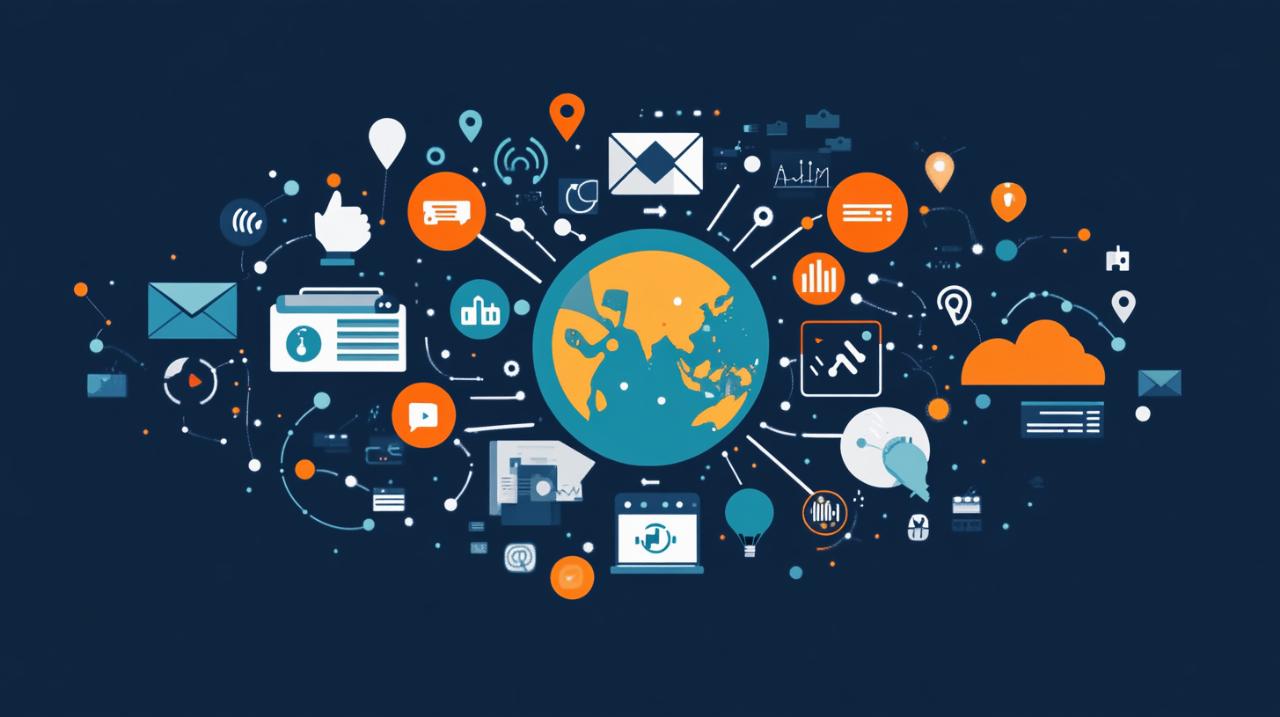
Creating compelling content that resonates with your audience
Content creation stands at the core of successful digital marketing, serving as the vehicle through which brands communicate their values, expertise, and unique offerings to potential customers. Whether optimising for search engines or engaging audiences on social media platforms, the quality and relevance of your content directly influence your ability to attract, retain, and convert visitors. High-quality content addresses the needs and interests of your target audience, answering their questions, solving their problems, and inspiring them to take action. By aligning content with strategic keyword research, businesses can ensure that their messages reach the right people at the right time, enhancing both organic traffic and paid campaign performance.
Effective content marketing goes beyond simply producing articles, videos, or infographics; it requires a deep understanding of audience preferences, search intent, and the nuances of different platforms. On-page optimisation ensures that each piece of content is structured and tagged appropriately, making it easier for search engines to understand and index. Meanwhile, social media content must be crafted to encourage sharing, commenting, and other forms of engagement that amplify reach and visibility. By maintaining a consistent brand voice and delivering value across all touchpoints, businesses can build lasting relationships with their audiences and establish themselves as trusted authorities within their respective industries.
Moreover, content serves as the foundation for both organic and paid strategies, providing the raw material that powers SEO, SMO, and advertising campaigns alike. Well-researched and thoughtfully written content improves website ranking in organic search results, attracts inbound links that bolster off-page optimisation, and supplies compelling messages for PPC ads and social media promotions. The interplay between content and marketing tactics underscores the importance of investing in skilled copywriters, designers, and strategists who understand the intricacies of digital marketing and can craft narratives that resonate deeply with diverse audiences.
Enhancing local visibility through targeted digital marketing techniques
Optimising for Local Search and Community Engagement
For businesses aiming to strengthen their presence within specific geographic areas, local search optimisation represents a critical component of a broader digital marketing strategy. By tailoring SEO efforts to target location-specific keywords and phrases, companies can improve their visibility among nearby customers actively searching for relevant products or services. This involves optimising Google My Business profiles, ensuring consistent contact information across online directories, and creating locally relevant content that speaks directly to the needs and interests of the community. Local search optimisation not only drives targeted traffic but also fosters a sense of connection and trust, positioning your brand as an integral part of the local landscape.
Community engagement through social media platforms further enhances local visibility by enabling businesses to interact directly with residents, participate in local events, and contribute to neighbourhood conversations. Social Media Optimisation techniques such as sharing updates about community initiatives, highlighting customer stories, and responding promptly to comments and messages help build a loyal following and encourage word-of-mouth promotion. When combined with targeted Social Media Advertising campaigns that focus on specific geographic areas, these efforts create a powerful synergy that amplifies brand awareness and drives foot traffic to physical locations or visits to local websites.
Additionally, integrating email marketing and referral marketing into your digital strategy can reinforce local connections and encourage repeat business. By maintaining regular communication with customers through newsletters, special offers, and personalised messages, businesses can stay top of mind and foster long-term loyalty. Referral marketing leverages satisfied customers to spread the word about your products or services, creating a network of advocates who help expand your reach within the community. Together, these tactics form a comprehensive approach to local digital marketing that combines the precision of search engine strategies with the warmth and authenticity of community engagement.
Measuring Success: Key Metrics for Traffic Generation and Performance
No digital marketing strategy is complete without a robust framework for measuring success and identifying areas for improvement. Key metrics such as website traffic, click-through rate, and conversion rates provide valuable insights into the effectiveness of your SEO, SEA, SMO, and SMA efforts, enabling data-driven decision-making and continuous optimisation. Monitoring organic traffic trends over time reveals the impact of your SEO initiatives, while tracking the performance of paid campaigns helps assess the return on investment for Search Engine Advertising and Social Media Advertising. By analysing these metrics in tandem, businesses can identify which channels and tactics deliver the best results and allocate resources accordingly.
Understanding the nuances of different metrics is essential for interpreting performance accurately. For instance, organic search results typically yield higher click-through rates and more sustainable traffic over the long term, reflecting the trust users place in non-paid listings. In contrast, paid campaigns may generate lower initial click-through rates but offer the advantage of precise targeting and immediate visibility, making them ideal for short-term objectives or specific promotional campaigns. By comparing these outcomes and considering factors such as audience demographics, search intent, and competitive landscape, marketers can refine their strategies and maximise the overall impact of their digital marketing efforts.
Moreover, tracking key performance indicators such as bounce rate, time on site, and conversion paths provides deeper insights into user behaviour and content effectiveness. These metrics help identify potential obstacles in the customer journey, highlighting opportunities to enhance website design, improve content quality, or streamline navigation. Regularly reviewing and acting upon this data ensures that your digital marketing strategy remains agile and responsive, adapting to shifts in consumer preferences, algorithm updates, and emerging trends. By embracing a culture of continuous improvement and leveraging the full spectrum of digital marketing tools, businesses can achieve sustained growth, build lasting brand awareness, and thrive in an increasingly competitive online environment.