
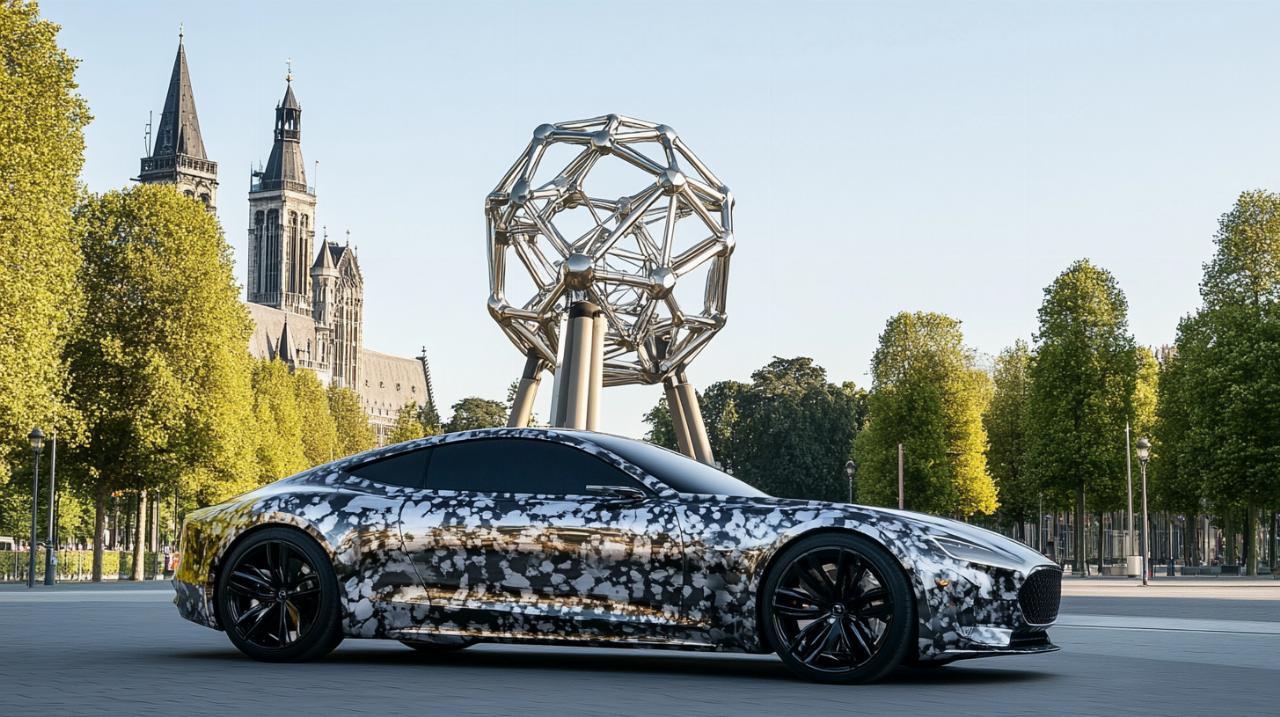
Transforming the appearance of your vehicle with a vinyl wrap has become increasingly popular across Belgium, offering car owners a versatile alternative to traditional paint jobs. Whether you're seeking a bold colour change, a protective layer for your vehicle's bodywork, or eye-catching custom graphics for your business, understanding the financial implications of this decision is crucial. The cost of car wrapping varies significantly depending on numerous factors, with vehicle size standing out as one of the most influential elements in determining your final budget. This guide will help you navigate the pricing landscape and make informed decisions when planning your car wrap project in Belgium.
Understanding the Fundamentals of Car Wrapping Costs in Belgium
Breaking Down the Types of Vehicle Wraps Available
The Belgian market offers a diverse range of vinyl wrap options to suit various preferences and budgets. Full wraps represent the most comprehensive approach, covering the entire exterior of your vehicle to achieve a complete transformation. These installations typically range from approximately €1,800 to €5,000 depending on several variables, providing a dramatic visual impact whilst simultaneously protecting the original paintwork beneath. Partial wraps, conversely, focus on specific sections of your vehicle such as the bonnet, roof, or side panels, starting at around €1,500 and offering a more budget-conscious alternative for those seeking a distinctive look without the commitment of full coverage. Beyond these primary categories, specialist finishes including metallic, chrome, matte, gloss, and chameleon effects introduce additional aesthetic possibilities, though these premium materials naturally command higher prices due to their sophisticated appearance and manufacturing processes. Paint protection film represents another category entirely, prioritising the preservation of your vehicle's original finish rather than altering its appearance, with some advanced formulations featuring self-healing properties that automatically repair minor scratches when exposed to heat. Window tinting and custom graphics or lettering can be incorporated as standalone services or combined with wrap installations to create truly bespoke results.
Why vehicle dimensions directly impact your wrapping budget
The relationship between vehicle size and wrap cost is fundamentally straightforward yet significantly consequential for your budget planning. Larger vehicles require substantially more vinyl material to achieve complete coverage, directly increasing material expenses before labour considerations even enter the equation. A compact city car might need approximately forty to fifty feet of vinyl, whilst a full-size SUV or commercial van could require sixty-five to seventy-five feet or more, essentially doubling the material costs. Beyond the raw material quantity, larger vehicles present additional installation challenges that extend labour time and consequently increase professional service fees. The complexity of wrapping around curves, door handles, mirrors, and other intricate body features multiplies as vehicle dimensions grow, demanding greater skill and patience from installers. Installation service fees for smaller vehicles such as compact and saloon cars typically range from €500 to €1,500, whilst larger models including SUVs, vans, and lorries can attract fees between €800 and €2,800. These variations reflect not only the increased material and time requirements but also the expertise necessary to achieve seamless results on vehicles with more complex surface geometries. Preparatory work also scales with vehicle size, as thorough cleaning and potential removal of existing wraps or graphics become more time-consuming on larger surfaces.
Price variations across different vehicle categories and sizes
Budgeting for Small Cars, Hatchbacks, and City Vehicles
Owners of compact vehicles and hatchbacks generally benefit from the most accessible entry point into the car wrapping market, with basic full wrap installations for these models starting from approximately €1,600 in the Belgian context. Popular models such as the Mini Cooper typically begin around €2,100 for a complete vinyl transformation, representing excellent value given the dramatic visual impact achieved. Coupes fall into a similar pricing bracket, with costs ranging between €1,600 and €2,500 depending on the specific model's dimensions and surface complexity. Family saloons occupy a middle ground, with basic wrap options commencing from around €2,500, reflecting their moderately increased surface area compared to compact models. Compact crossovers, which have surged in popularity across European markets, similarly start from approximately €2,500 for full wrap installations. These smaller vehicle categories offer considerable advantages for budget-conscious consumers, not only through reduced material requirements but also through shorter installation times that keep labour costs manageable. The relatively simple body lines of many compact and city vehicles further contribute to cost efficiency, as installers can work more quickly on uncomplicated surfaces without the challenges presented by aggressive styling or excessive ornamentation. Partial wraps on these vehicles can be achieved for even more modest budgets, allowing creative accent work on bonnets, roofs, or mirror caps to deliver visual impact without the financial commitment of comprehensive coverage.
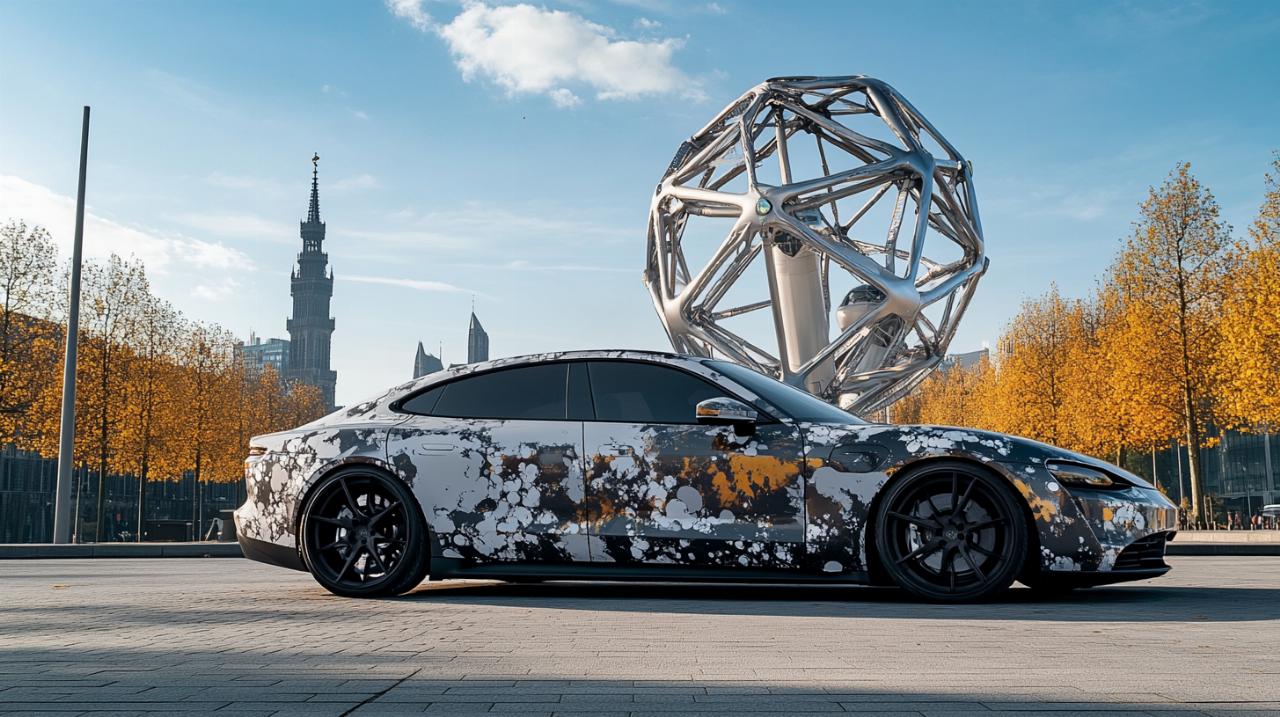
Cost Considerations for Larger Models: SUVs, Vans, and Commercial Vehicles
The financial landscape changes considerably when planning wrap installations for larger vehicles, with SUVs representing a significant step up from compact car pricing. Standard SUV wraps in Belgium typically begin from around €3,200, with some models such as the Range Rover potentially reaching approximately €3,600 for quality installations. Jeeps occupy a similar pricing bracket, costing between €2,500 and €3,600 depending on model specifications and chosen materials. Commercial vehicles including vans present particular budgeting challenges, with costs ranging from €2,500 to €4,000 reflecting both their substantial surface areas and the frequently bespoke nature of commercial graphics. Trucks introduce even greater variability, with pricing spanning from €800 for basic partial coverage to €4,000 for comprehensive installations incorporating custom livery. Luxury vehicles command premium pricing across all categories, with wrap costs ranging from €4,000 to €8,000 or more. Prestigious marques such as Audi begin at approximately €5,200, whilst exotic brands like Lamborghini start around €3,200 despite their smaller physical size, reflecting the precision required when working with such valuable vehicles. Ferrari wraps typically commence at €5,600, and ultra-luxury models like Rolls-Royce can reach €8,000 or beyond, justified by the exceptional care and expertise demanded when handling vehicles of such distinction. These elevated costs reflect not merely the increased material quantities but also the heightened responsibility and insurance considerations when working with high-value assets.
Essential Budgeting Tips and Planning Strategies for Your Car Wrap Project
Obtaining Accurate Quotes and Comparing Service Providers in Belgium
Securing reliable quotations represents the foundation of effective budget planning for any car wrapping project. Reputable Belgian installers will typically request detailed information about your vehicle, including its make, model, year, and current condition before providing estimates. Photographs of your vehicle from multiple angles can facilitate more accurate preliminary quotes, though in-person inspections remain the gold standard for precision pricing. When comparing service providers, resist the temptation to select based solely on the lowest price, as significant variations often reflect differences in material quality, installer experience, and warranty provisions rather than simple overpricing. Established companies with proven track records may charge premium rates, but their expertise can prevent costly mistakes that cheaper alternatives might make during installation. Enquire specifically about the vinyl brands and grades being quoted, as materials range from basic PVC formulations offering cost-effectiveness to more durable PET varieties and premium TPU films with self-healing capabilities. Understanding whether quoted prices include preparatory work such as thorough cleaning, paint correction, or removal of existing graphics prevents unwelcome surprises when final invoices arrive. Some Belgian providers offer package deals incorporating complementary services like window tinting or paint protection film on vulnerable areas such as door edges and front bumpers, potentially delivering better overall value than selecting services individually. Request detailed breakdowns separating material costs from labour charges to understand precisely where your money is allocated.
Long-term financial considerations: maintenance, removal, and resale value
Comprehensive budget planning extends beyond initial installation costs to encompass the entire lifecycle of your vehicle wrap. Proper maintenance significantly influences longevity and therefore overall value for money, with regular gentle cleaning using appropriate products extending wrap life from the typical three to five years up to seven years in optimal conditions. Factor in periodic maintenance costs when calculating total ownership expenses, as neglecting proper care can necessitate premature replacement. Removal costs also deserve consideration, particularly if you lease your vehicle or plan to return it to original condition before sale. Professional removal typically costs between €300 and €800 depending on vehicle size and wrap age, with older installations proving more challenging and consequently expensive to remove cleanly. The impact on resale value presents complex considerations that vary by individual circumstances. Quality wraps can potentially preserve the underlying paintwork in pristine condition, maintaining or even enhancing resale value, whilst poorly executed installations might raise concerns about hidden damage amongst prospective buyers. Commercial vehicle owners should evaluate wrap installations as marketing investments, calculating cost per impression and customer acquisition against traditional advertising expenditure. Geographic location within Belgium may influence both installation and maintenance costs, with urban centres typically commanding higher labour rates than rural areas, though competition amongst providers in cities can sometimes moderate prices. Warranty provisions vary significantly between installers, with premium services offering two-year guarantees on both materials and workmanship, providing valuable protection against premature fading, peeling, or adhesive failure.