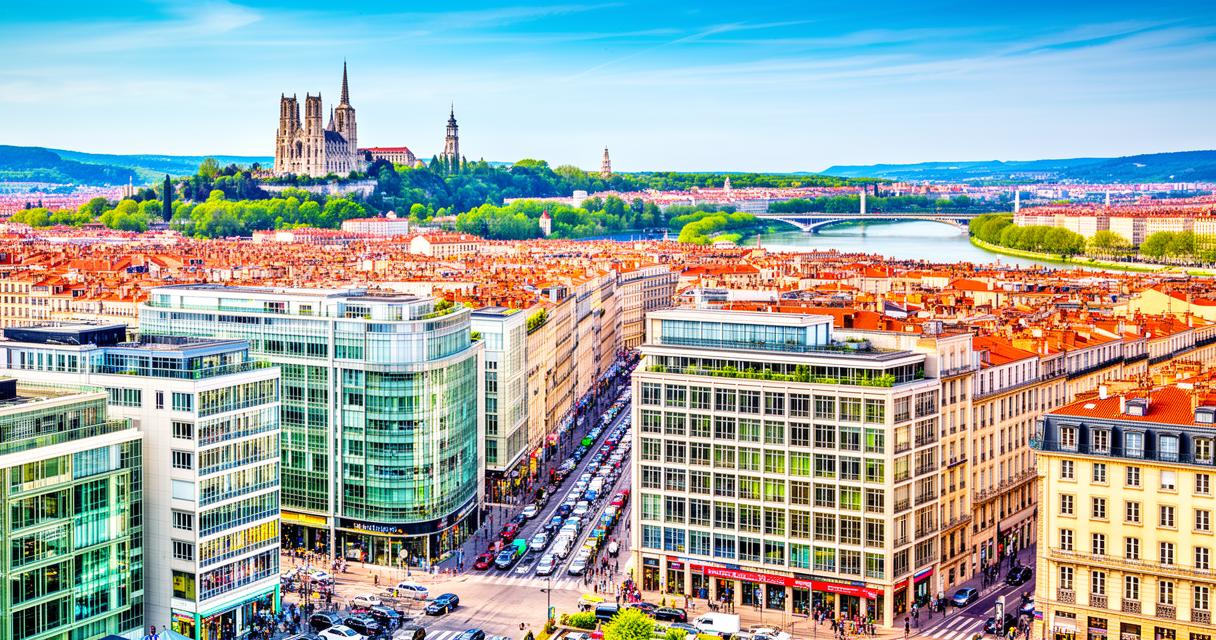
Lyon stands as one of France's most compelling urban success stories, a metropolis where historical significance meets forward-thinking development. Nestled in the Rhône department and strategically positioned between the Alps and the Auvergne region, this vibrant city has evolved into a critical economic and cultural hub. Its dynamism stems not only from its diverse population and thriving industries but also from a meticulously developed transport infrastructure that connects the city to regional, national, and international destinations. This network of modern transport systems has been instrumental in fueling Lyon's growth, enhancing its competitiveness, and cementing its status as a key player in the broader context of European metropolitanisation.
- Lyon's urban dynamism is driven by its strategic location and a robust transport infrastructure that connects it to regional and international markets.
- The city's motorway network facilitates efficient logistics and manufacturing, supporting the growth of industrial zones on the metropolitan periphery.
- High-speed rail links connect Lyon to major European cities like Paris and London, enhancing its competitiveness and attracting international business investment.
- A well-integrated public transport system, featuring metro lines, trams, and buses, provides seamless connectivity that reduces traffic congestion and improves residents' quality of life.
- The ongoing expansion of cycling infrastructure and the use of digital technologies in transit demonstrate Lyon's commitment to modern, flexible urban mobility.
- By prioritizing transport connectivity, Lyon has successfully positioned itself as a central economic and cultural hub within the European landscape.
Strategic transport infrastructure: the backbone of lyon's economic prosperity
The economic vitality of Lyon is deeply intertwined with its transport infrastructure, which serves as the foundation for business activity, trade, and regional collaboration. Investment in roads, railways, and other connectivity solutions has allowed the city to attract diverse industries and foster partnerships with local and territorial authorities. This strategic positioning has transformed Lyon into a magnet for both domestic and international enterprises seeking access to a well-connected and modernised urban environment.
Motorway networks and regional connectivity
Lyon's motorway network is a testament to the city's commitment to facilitating seamless movement of goods and people. Major routes radiating from Lyon link the metropolis to neighbouring regions and beyond, ensuring that businesses can operate efficiently within a broad logistical framework. These road networks are not merely conduits for vehicles; they represent the arteries through which economic opportunity flows. Companies in manufacturing, logistics, and retail rely on these connections to reach markets swiftly and cost-effectively. The presence of such comprehensive motorway infrastructure has encouraged the establishment of distribution centres and industrial zones on the periphery of the metropolitan area, further stimulating employment and economic diversification. Additionally, these networks support the daily commute of thousands of workers, underscoring the integral role of transport in sustaining the livelihoods of Lyon's residents. The continuous modernisation of these routes reflects an understanding that infrastructure must evolve in tandem with the demands of a growing population and an expanding economy.
High-Speed Rail Links Positioning Lyon as a European Transport Hub
Perhaps no element of Lyon's transport infrastructure has been more transformative than its high-speed rail connections. The city serves as a critical junction on the European high-speed rail network, with direct links to major cities such as Paris and London, as well as other prominent European destinations. These high-speed services have dramatically reduced travel times, making Lyon an attractive location for businesses seeking proximity to multiple markets. The ability to reach Paris in just a couple of hours has enhanced Lyon's appeal as a base for companies that require regular access to the capital while benefiting from the relatively lower costs and quality of life offered by a regional metropolis. Moreover, the connectivity to London and other global cities positions Lyon within the upper echelons of European urban centres, facilitating international collaboration and investment. The rail network also supports tourism, enabling visitors from across Europe to explore Lyon's rich cultural heritage and culinary excellence with ease. This dual benefit of economic and cultural exchange underscores the far-reaching impact of strategic transport planning. The investment in rail infrastructure reflects a long-term vision that recognises the importance of positioning Lyon not just as a regional centre but as a node within a broader network of global cities.
Urban Mobility Solutions: Enhancing Quality of Life and Business Competitiveness
Beyond inter-city connections, Lyon has prioritised the development of internal mobility solutions that enhance the daily lives of its residents and support the operational needs of businesses. The integration of various transport modes within the metropolitan area has created a cohesive system that balances efficiency with accessibility, contributing to the overall attractiveness of the city as a place to live and work.
Integrated public transport systems serving the metropolitan area
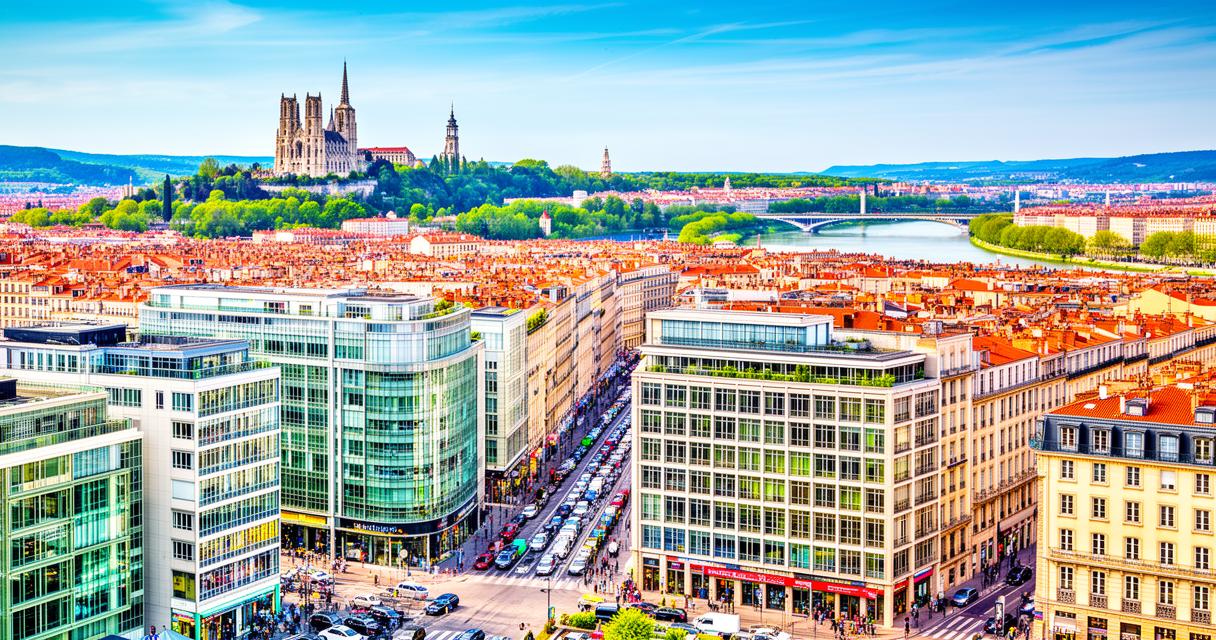
Lyon's public transport network is a model of integration, combining metro lines, trams, buses, and cycling infrastructure into a unified system that serves the entire metropolitan area. This network ensures that residents can move across the city and its suburbs without the need for private vehicles, reducing congestion and improving air quality. The metro and tram lines are particularly vital, offering frequent and reliable services that connect residential neighbourhoods with business districts, educational institutions, and cultural venues. The accessibility provided by this network is a key factor in Lyon's ability to attract and retain talent, as professionals and families alike value the convenience of living in a well-connected city. For businesses, the availability of efficient public transport means that employees can commute easily, reducing absenteeism and enhancing productivity. Furthermore, the integration of digital technologies, such as real-time information systems and contactless payment options, has modernised the user experience and made public transport more appealing to a broader demographic. The expansion of cycling infrastructure, including dedicated lanes and bike-sharing schemes, complements the public transport network and offers an additional layer of flexibility for short-distance travel. This holistic approach to urban mobility demonstrates Lyon's commitment to creating a transport ecosystem that meets the diverse needs of its population while supporting economic competitiveness.
Sustainable transport initiatives supporting environmental and social goals
Lyon has embraced sustainability as a guiding principle in its transport planning, recognising that long-term urban growth must be balanced with environmental stewardship and social equity. The city has implemented a range of initiatives aimed at reducing carbon emissions, promoting cleaner modes of transport, and ensuring that mobility solutions are accessible to all segments of the population. Electric buses and hybrid vehicles are increasingly common within the public transport fleet, reflecting a commitment to reducing the environmental footprint of urban mobility. The promotion of walking and cycling as viable alternatives to motorised transport has been supported through the creation of pedestrian-friendly zones and the expansion of cycling infrastructure. These measures not only contribute to climate action but also enhance the quality of life by creating quieter, safer, and more pleasant urban spaces. Social equity is also a central consideration, with efforts to ensure that transport services reach underserved neighbourhoods and that fares remain affordable for lower-income residents. The integration of sustainability and inclusivity into transport policy aligns with broader trends observed across European cities, where urbanisation must be managed in a way that benefits both people and the planet. Lyon's approach serves as a valuable example of how investment in sustainable transport can support both environmental and social goals while maintaining economic dynamism. The city's ability to balance these priorities is a testament to the effectiveness of coordinated planning and the willingness to invest in innovation.
Transport Networks as Catalysts for Tourism and Metropolitan Development
The role of transport infrastructure extends beyond economic and social considerations to encompass tourism and the broader trajectory of metropolitan development. Lyon's accessibility has made it a popular destination for visitors, while ongoing investment in transport continues to shape the future expansion of the city and its surrounding areas.
Accessibility driving tourism growth and visitor experience
Lyon's appeal as a tourist destination is significantly enhanced by its transport infrastructure, which allows millions of visitors each year to explore the city and its surroundings with ease. The high-speed rail connections make Lyon an accessible stop on European tours, while the internal public transport network ensures that once visitors arrive, they can navigate the city efficiently. The historic old town, renowned culinary scene, and vibrant cultural offerings are all within reach thanks to well-planned transport routes. This accessibility not only attracts tourists but also supports the hospitality industry, from hotels and restaurants to tour operators and retailers. The economic impact of tourism is substantial, contributing to employment and generating revenue that supports further investment in the city's infrastructure and amenities. The ease of travel also encourages longer stays and repeat visits, as tourists appreciate the convenience of a city that is both welcoming and easy to explore. In this way, transport infrastructure acts as a catalyst for tourism growth, enhancing Lyon's reputation as a must-visit destination in Europe. The interplay between accessibility and tourism illustrates the multifaceted benefits of strategic investment in transport networks.
Infrastructure investment shaping future urban expansion and innovation
Looking ahead, Lyon's transport infrastructure will continue to play a pivotal role in shaping the city's expansion and fostering innovation. Ongoing investment in transport networks, supported by finance from institutions such as loans, equity, and guarantees, ensures that the city can adapt to changing demographic and economic conditions. Urban regeneration projects are increasingly integrated with transport planning, ensuring that new developments are well-connected and accessible. This coordinated approach helps to avoid the pitfalls of fragmented growth and supports the creation of cohesive, liveable urban spaces. The emphasis on innovation is evident in the adoption of smart city technologies, such as intelligent transport systems and data-driven planning tools, which enhance the efficiency and responsiveness of the transport network. These innovations are particularly important as Lyon continues to attract new residents and businesses, placing additional demands on existing infrastructure. The city's ability to anticipate and address these challenges through proactive investment and planning will be crucial to maintaining its status as a dynamic metropolis. Furthermore, Lyon's experience offers valuable lessons for other European cities navigating similar processes of urban transformation and metropolitanisation. The integration of transport infrastructure with broader urban development goals demonstrates the importance of long-term vision and the willingness to invest in the foundations of future prosperity. As urbanisation continues to reshape Europe, with projections suggesting that 90% of the continent will be urbanised by 2080, the example of Lyon underscores the critical role of transport networks in enabling sustainable and inclusive growth. The city's journey from a regional centre to a key node in the European urban landscape is a testament to the transformative power of modern transport infrastructure.